30 September, 2026 | 6:03 AM


Modi’s austerity call amid selloff
12-05-2026 12:00:00 AM
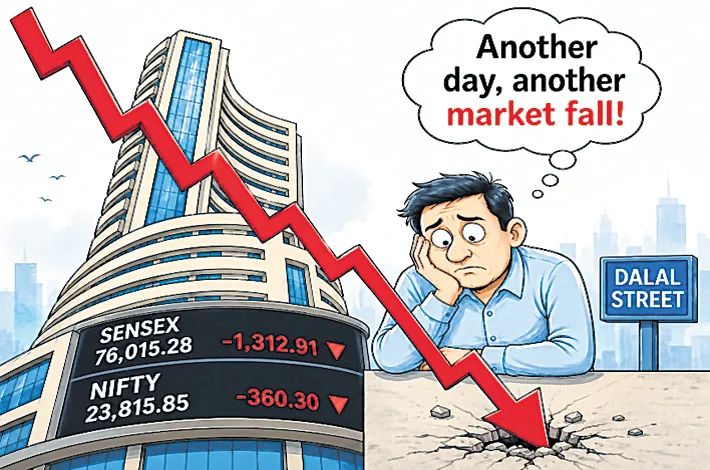
CAUTION, NOT PANIC | Rising crude prices and geopolitical uncertainty unsettle markets as PM advocates discipline, conservation and measured national resilience
P.A.K. mumbai
At the opening bell itself, anxiety descended upon Dalal Street like a gathering monsoon over troubled seas. Screens glowed red, traders watched crude oil climb with unease, and by the time markets closed at 3.30 pm, the sell-off had hardened into one of the sharpest market reversals in recent weeks. Far beyond Mumbai’s trading terminals, the forces driving the panic lay scattered across oil routes, diplomatic deadlocks and the uncertain geography of war.
Equities plunged for a third consecutive session on Monday as soaring crude prices, a record-falling rupee and Prime Minister Modi’s appeal for austerity unsettled investors already wary of a prolonged West Asian conflict.
The BSE Sensex tumbled more than 1,312.91 points to settle at 76,015.28 after opening sharply lower and sliding steadily through the day. The NSE Nifty dropped 360.30 points to close at 23,815.85, slipping below the crucial 24,000 mark. In merely three sessions, the Sensex has lost nearly 1,950 points. FIIs offloaded equities worth ₹8,438 crore, while DIIs bought equities worth ₹5,940 crore.
Markets weakened further after Donald Trump dismissed Iran’s latest response to Washington’s peace proposal as “totally unacceptable”, crushing hopes of an immediate diplomatic breakthrough. Brent crude surged beyond $103 per barrel, reviving fears of inflation, imported pressure and a widening current account deficit.
Yet the deeper tremor emerged from New Delhi. In remarks carrying unmistakable echoes of the Covid-19 years, Modi urged citizens to conserve fuel, reduce unnecessary travel, avoid excessive gold purchases and revive work-from-home and online meetings to preserve foreign exchange reserves.
“In the current situation, we must place great emphasis on saving foreign exchange,” the Prime Minister said, while encouraging public transport, carpooling and lower dependence on imported commodities.
The message was neither alarmist nor political theatre. It was preventive, strategic and aimed at preparing the nation for a potentially prolonged period of global instability.
The rupee nevertheless reflected investor nervousness with brutal clarity, plunging 82 paise to a record closing low of 95.31 against the US dollar amid foreign capital outflows and rising energy costs.
Analysts at Geojit Investments warned that elevated crude prices and restrained consumption could soften growth sentiment in the near term.
Yet India enters this turbulence stronger than during earlier oil shocks—armed with substantial forex reserves, healthier banks and firmer fiscal foundations. If diplomacy ultimately prevails in West Asia and energy markets stabilise, the present strain may yet become a reminder not of vulnerability alone, but of India’s growing economic maturity, resilience and collective capacity for disciplined adaptation.