21 September, 2026 | 12:41 AM


Movies as a tool for political propaganda- Questions arise
22-03-2026 12:00:00 AM
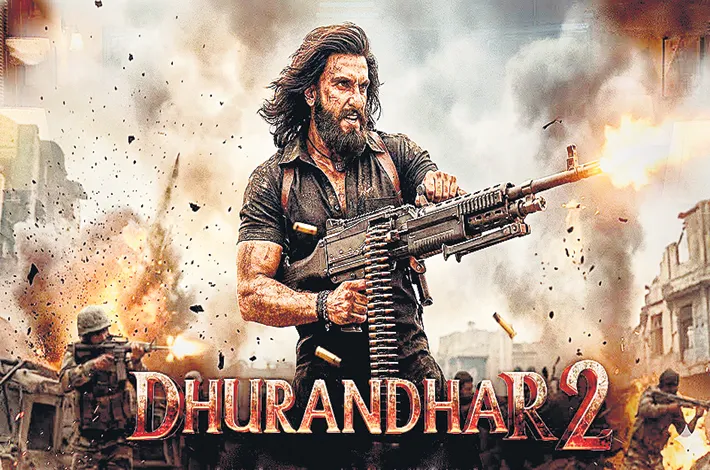
The film Dhurandhar 2 (also known as Dhurandhar: The Revenge), directed by Aditya Dhar and starring Ranveer Singh, has once again ignited intense debate across India following its release around Eid in March 2026. Building on the massive success of its predecessor, which shattered box office records in late 2025, the sequel continues the high-stakes spy thriller narrative centred on counter-terrorism, Pakistan-sponsored threats, and India's decisive responses. Yet, amid glowing praise from audiences and the film industry, it faces fierce accusations of being blatant propaganda.
From the moment the first part arrived, Dhurandhar drew criticism and abuse directed at its content, the filmmaker Aditya Dhar, and the overall portrayal. Attention has shifted beyond mere earnings to its broader social and political resonance. Has this film reaffirmed that patriotism and nationalistic pride remain the dominant sentiment in India, overriding all others? Or is its success merely riding a wave of rising right-wing sentiment, tied to the BJP's political dominance?
Political reactions poured in swiftly. AIMIM claimed the film spreads hatred against the Muslim community. Congress highlighted its Eid release timing as evidence of a political agenda, accusing it of glorifying the BJP government's alleged wrongdoings. The Samajwadi Party alleged the filmmakers twisted truth for profit. CPI(M) described it as an attempt to spread propaganda, vitiate the atmosphere, and fuel hatred. NCP(SP) and All India Muslim Jamaat echoed similar views, arguing the film profits by stoking communal controversy. Yet, questions linger: What genuine communal incidents has the film provoked? As of now, no clear answers have emerged, even as parallels are drawn between on-screen events and real-life figures and incidents.
The sequel recreates key moments, including Narendra Modi's 2014 oath-taking as a defining political shift, demonetization framed as a strategic blow against terrorism and illicit finance networks, the Ayodhya Ram Janmabhoomi verdict dramatized as a symbolic national victory, links shown between figures like Atiq Ahmad and Pakistan's ISI in terror activities, and the 2016 surgical strikes celebrated as a hallmark of a bold, new India. Critics label these pro-BJP depictions as propaganda, while defenders ask whether opposition parties across the spectrum haven't historically benefited from films aligned with their narratives.
Audience reactions vary sharply. Some viewers laud scenes exposing perceived weaknesses in past governments, particularly Congress and left-leaning parties, in handling Pakistan-linked threats, portraying them as complicit or ineffective. Others condemn the film for showing only hatred toward a particular community, maligning Muslims, and glorifying what they call foolish decisions whose consequences the nation still bears. Many appreciate it as a fictionalized yet truthful narrative rooted in real events, celebrating a patriotic perspective.
A Senior journalist who watched both parts early, defended the film. He argued that opposition criticism stems from guilt over inaction after 26/11 Mumbai attacks, contrasting it with decisive responses under the current government, such as Operation Sindoor after Pulwama. He dismissed propaganda claims, noting that terror financing networks and ISI activities depicted are based on publicly available reports, not fabrication. A political analyst countered, emphasizing the film's disclaimer as fiction yet accusing it of insinuations—like a former UPA finance minister allegedly selling currency plates to ISI—without evidence. He questioned paying a Pakistani singer for a song while criticizing similar collaborations elsewhere, and argued the film weakens UPA while glorifying NDA, portraying only post-2014 governments as nationalist.
A BJP spokesperson drawing from her Mumbai experiences amid repeated terror attacks (Gateway of India blasts, 26/11), rejected whitewashing of terror and apologized narratives in past films like Fanaa or Fiza. She insisted the movie is purely about Pakistan's operations causing thousands of Indian deaths, not domestic politics, and finally tells India's story from India's viewpoint.
Congress representatives insisted the film subtly attacked their party by depicting a "weak" UPA without naming it outright, while glorifying decisive action under NDA. They demanded accountability if real events were misrepresented, including arrests for alleged corruption shown on screen. BJP spokespersons and film supporters fired back, arguing that fiction often draws from reality, and the outrage stemmed from guilt over past inaction against Pakistan. They highlighted that kinetic responses (like surgical strikes) marked a shift, and audiences embracing the film signalled public approval of a tougher stance.
Ultimately, the film's massive public reception and box-office success underscored a divide: for many, it was powerful truth-telling about enduring threats from Pakistan; for others, it was manipulative fiction timed for political gain. Yet concerns over accuracy, especially unsubstantiated insinuations persisted, with calls for balance in depicting sensitive events.