21 October, 2026 | 10:46 AM


Nine-judge bench hears Sabarimala case amid fresh intervention
02-05-2026 12:00:00 AM
Metro India News | new delhi
In a significant development in the long-running Sabarimala temple entry dispute, Dr. Namburi Kanakadurga, a 66-year-old academic from Khammam, has filed an application (I.A. No. 69227 of 2026) seeking to be impleaded in the review proceedings before the Supreme Court. The plea, supported by Senior Advocate Nachiketa Joshi, was submitted on April 30, 2026, in the review petition arising from the 2018 judgment in Indian Young Lawyers Association v. State of Kerala.
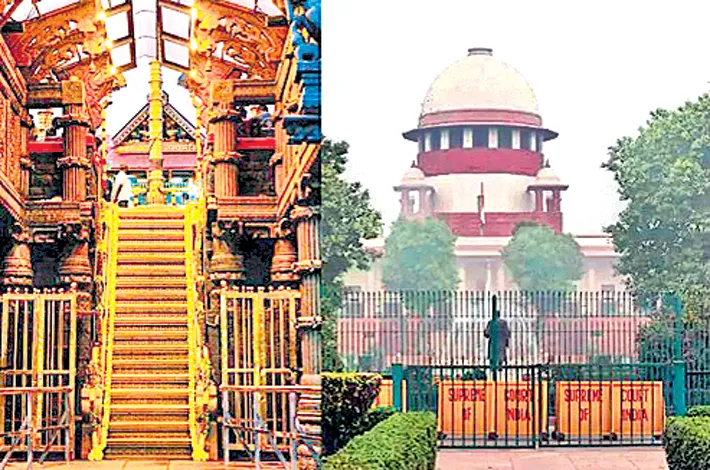
The matter is currently before a nine-judge Constitution Bench examining the 2018 verdict that allowed entry of women aged 10–50 into the Sabarimala temple. Review petitions challenge the ruling, raising questions on the balance between Articles 25 and 26, essential religious practices, and judicial intervention in matters of faith. Hearings began in April 2026.
A key aspect of the application is the reference to the 1750 Thrippadi Danam by Maharaja Marthanda Varma, who dedicated his kingdom to Sri Padmanabhaswamy, establishing deity-centric governance. It also cites the 1936 Temple Entry Proclamation by Maharaja Chithira Thirunal, which opened temples to all Hindus, presenting it as an act of devotion rather than reform.
The applicant argues that such historical developments reinforced religious traditions rather than diluted them. It emphasises Lord Ayyappa’s form as a Naishtika Brahmachari and contends that the Sabarimala temple represents a sacred geography embodying the deity, making external interference problematic.
Citing the Ayodhya judgment (M. Siddiq case), the plea underscores the legal personality of the deity and asserts that worship rights vest in the deity itself. It also touches on broader themes like the “sovereignty of Dharma” and urges protection of denominational rights under Article 26.
With the Constitution Bench examining core issues of faith and constitutional morality, the intervention adds historical and doctrinal dimensions. The outcome is expected to have wide implications for religious freedoms and judicial limits in India.