1 September, 2026 | 1:51 AM


Odisha imposes complete ban on all tobacco-nicotine products
24-01-2026 12:00:00 AM
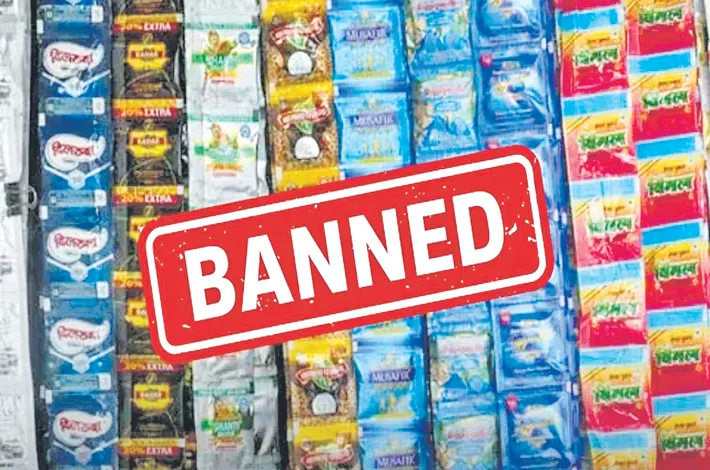
In a major public health initiative, the Odisha government has enforced a comprehensive ban on the manufacture, storage, distribution, sale, and consumption of gutkha, pan masala, and all products containing tobacco or nicotine. The Health and Family Welfare Department issued a fresh notification tightening the existing 2013 restrictions, aiming to eliminate ambiguities and ensure uniform enforcement across the state.
The updated order explicitly prohibits any activities related to gutkha as well as products containing tobacco and/or nicotine, including zarda, khaini, and other chewable or flavored items—whether packaged, unpackaged, or sold separately for mixing. This move comes in direct response to directives from the Supreme Court of India, which has urged all states to fully comply with bans on such harmful products.
The notification highlights that previous regulations were often circumvented, allowing continued availability despite the earlier partial ban. Health officials emphasized the severe health risks, noting Odisha's high prevalence of tobacco use—reportedly around 42% in some surveys, nearly double the national average—contributing to widespread oral cancer and mouth cancer cases.
The government has stressed that smokeless tobacco products are classified as carcinogenic by the International Agency for Research on Cancer (IARC) under the World Health Organization. Health Minister Mukesh Mahaling appealed to citizens urging them to refrain from consuming gutkha and tobacco products to help create an oral cancer-free state. Officials reiterated that while the ban excludes cigarettes and bidis, the focus remains on smokeless tobacco to protect vulnerable populations, particularly the younger generation.
Many residents expressed concern over the easy accessibility of these addictive products, especially to children and youth, who often start due to low prices and widespread availability at every street corner. Consumers and community members argued that mere awareness campaigns are insufficient—raids on manufacturing units and sealing factories are essential to dry up supply and reduce addiction over time.
Enforcement agencies, including district administrations, police, and drug control inspectors, are gearing up for intensified crackdowns, particularly targeting small shops, OMFED (Odisha State Cooperative Milk Producers' Federation Limited) booths, and areas near schools and colleges where these products are cheaply sold for as little as Rs 1 or Rs 5. Raids have already begun at retail outlets, with plans to extend to factories, packaging units, and larger business operations to curb production at the source.
The government has committed to awareness programs alongside enforcement, but success will depend on sustained action against the supply chain. Authorities warn of strict penalties for violations, signaling a determined push toward a healthier Odisha. This landmark decision could set a precedent for other states grappling with similar public health challenges.