18 October, 2026 | 1:02 AM


Rahul’s Self Goal?
18-10-2026 12:00:00 AM
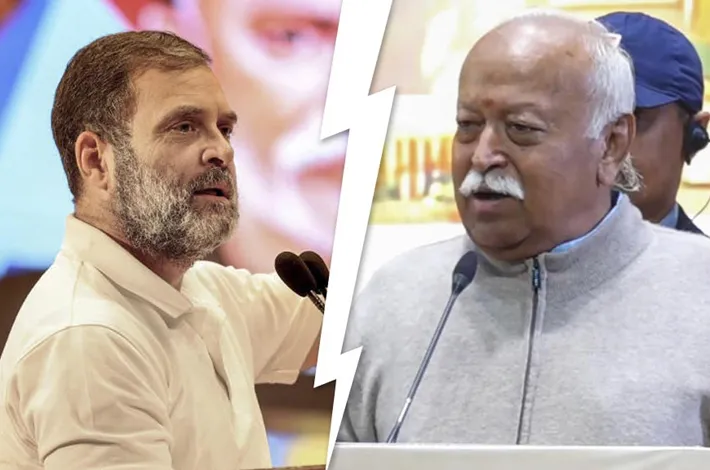
Ignoring RSS / Hindus
Revanth should convince and plan a strategy
Since Telangana CM Revanth Reddy knows the RSS, BJP and their poll strategies like back of his palm, he should take the initiative and convince Rahul Gandhi and other leaders in the party and plan a counter strategy. He would be able to draw a counter plan to take away a small chunk of the BJP Hindu base. All the Hindu leaders and organisations that are against the policies of the Modi government its governance should be brought under the Congress Umbrella. Revanth would be able to do it.
metro india news I hyderabad
In the complex landscape of country’s politics as of October, the Congress party under Rahul Gandhi faces a stark reality. After consecutive electoral setbacks, the path to challenging the Modi-led BJP requires a fundamental recalibration of strategy. Continuing to position the RSS as the primary adversary while pursuing policies perceived as anti-Hindu risks permanent marginalization. Instead, Rahul Gandhi and the Congress leadership must actively seek a sizeable portion of the Hindu voter base that has anchored BJP’s dominance since 2014. Reaching out to the RSS leadership, presenting concrete evidence of governance failures, and forging alliances with Hindu spiritual leaders critical of the current regime offers a viable route to alter the electoral arithmetic. 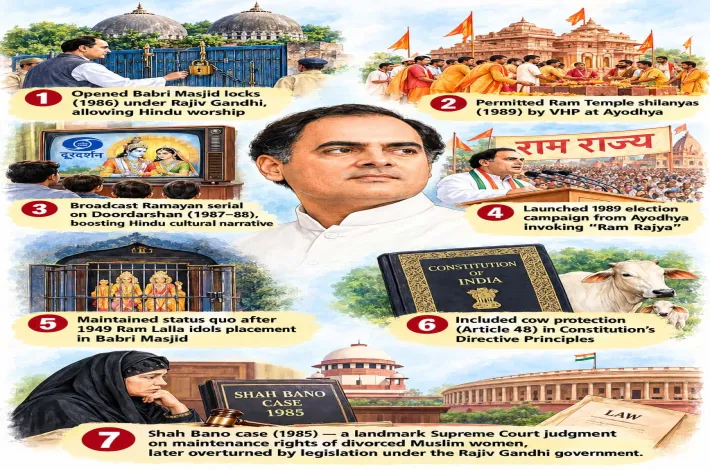
The BJP’s electoral success rests heavily on consolidated Hindu support, built through a narrative of cultural assertion and development. Treating the RSS as an irredeemable foe has allowed this consolidation to deepen. Rahul Gandhi’s recent rhetoric, framing the contest as a civilisational war against the RSS and even the Indian state itself, reinforces an image of confrontation rather than persuasion. This approach alienates the majority community whose votes decide outcomes in crucial states. A different course is essential: engage the RSS directly.
Present documented failures of the Modi government—ranging from institutional controversies to economic distress—and invite reasoned discussion. Even if such outreach convinces only 5 to 10 percent of the RSS-aligned Hindu base, the resulting fragmentation would significantly weaken BJP’s hold and open space for the Congress and its allies.
Evidence of anti-incumbency has mounted steadily. The Special Intensive Revision of electoral rolls, initiated in 2025 and continuing into 2026, has triggered widespread protests after the deletion of over 13 crore names from voter lists across multiple states. Critics highlight irregularities in the process and questions over the Election Commission’s independence following changes in the appointment mechanism. Parallel discontent erupted over NEET examinations, with paper leaks and cancellations in successive cycles, including the 2026 undergraduate medical entrance, forcing the resignation of the education minister after sustained student agitation. Economic pressures compound these issues. Youth unemployment remains elevated, with rates among the 15-29 age group hovering near double digits in official surveys and far higher for graduates. Rising prices of essentials, wage stagnation, and concerns over capital outflows have fuelled public frustration despite headline growth figures.
Allegations of preferential treatment for a handful of industrialists and capitalists at the expense of broader national interest have further eroded trust. These perceptions of cronyism, combined with questions over electoral processes, create fertile ground for an alternative narrative. Rahul Gandhi’s think tank must pivot from pure opposition to constructive engagement with the majority community’s concerns. Framing governance lapses in terms of national interest, institutional integrity, and equitable development can resonate across traditional divides.
Importantly, not all Hindu voices align with the BJP. The Shankaracharya of Jyotir Math, Swami Avimukteshwaranand Saraswati, has repeatedly criticised aspects of Modi government policy. In 2024, he questioned the timing and scriptural validity of the Ram temple consecration ceremony in Ayodhya, arguing the structure remained incomplete. Later that year and into subsequent months, he launched a cow protection yatra and publicly challenged the government’s record on banning cow slaughter nationwide, even questioning the Hindu credentials of the highest offices for failing to act decisively.
Other Hindu organisations and spiritual figures have voiced unease over mismanagement of religious events, temple administration, and prioritisation of political symbolism over traditional practices. These leaders command respect among sections of the community and represent an opening the Congress has largely ignored.
By reaching out to such figures and organisations, Rahul Gandhi can demonstrate genuine respect for Hindu traditions without abandoning the party’s pluralistic commitments. Securing their endorsement would undercut the BJP’s monopoly on religious symbolism and signal that criticism of the government need not equate to hostility toward the faith of the majority. This approach does not require ideological surrender. It demands pragmatic politics: acknowledge the centrality of Hindu voters, address their aspirations for cultural pride and economic security, and channel discontent against specific policy failures rather than against an entire ideological ecosystem.
A calibrated outreach—backed by facts on SIR controversies, NEET irregularities, economic hardships, and concentrated benefits to select industrial houses—can create cracks in the BJP’s base. Even modest gains among Hindu voters would amplify the impact of existing alliances and anti-incumbency sentiment.