18 October, 2026 | 1:02 AM


Seat-sharing deal fails to silence dissent in TDP, JSP
18-10-2026 12:00:00 AM
kiranmai tutika | AMARAVATI
The TDP–Jana Sena alliance may have settled its broad seat-sharing formula for Andhra Pradesh’s urban local body elections, but the agreement has opened a fresh battle on the ground, where party aspirants are reluctant to surrender wards they have spent years cultivating. Behind the leadership’s message of unity, competing ambitions, resentment over allocations and fears of losing political relevance are testing the coalition’s grassroots cohesion.
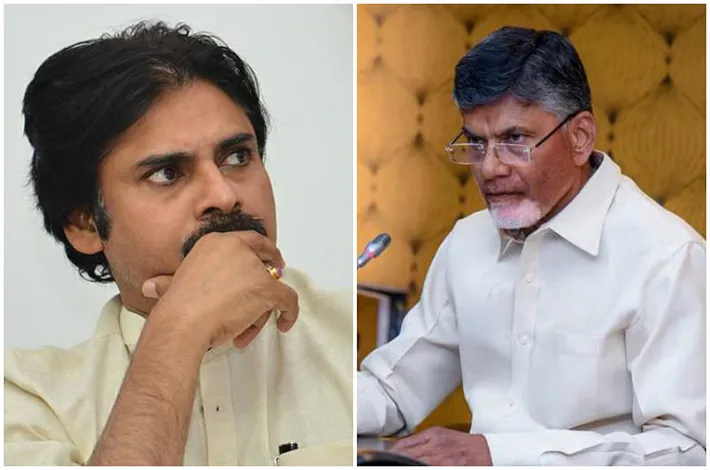
The challenge for Chief Minister N. Chandrababu Naidu and Deputy Chief Minister Pawan Kalyan is no longer simply how many urban local bodies each partner will contest. It is whether the local leaderships and cadres of the two parties will accept the arrangement without rebellion, sabotage or a weakened campaign.
Under the announced formula, the TDP will contest 89 urban local bodies, Jana Sena 25 and the BJP nine. The allocation covers 17 municipal corporations and 106 municipalities and nagar panchayats. While the leadership has resolved the broad division and ruled out friendly contests, ward-level negotiations remain contentious in parts of Krishna and NTR districts. The New Indian Express reported on Saturday that competing claims and reluctance among aspirants to make way for alliance partners were fuelling discontent.
Vijayawada illustrates the sensitivity of the negotiations. Jana Sena has been allotted the mayoral contest in the 86-ward municipal corporation, and former MLA Vangaveeti Radhakrishna’s entry into the party has intensified attention on its local strategy. Reports indicate that Jana Sena sought more than 30 wards, while discussions have centred on a allocation of around 20.
For TDP aspirants, the concern is straightforward, years of building local networks, mobilising voters and working for the party may not translate into an opportunity to contest if a ward is allotted to an alliance partner. Jana Sena workers face the reverse dilemma—whether the party’s allotted share is sufficient to accommodate its own aspirants and reward those who built its organisation.
The friction is not merely about numbers. Local elections involve neighbourhood influence, caste and community equations, personal networks and future political prospects. A denied ticket can leave a disgruntled leader with incentives to campaign half-heartedly, support an independent candidate or shift allegiance. Such outcomes are risks rather than confirmed developments, but they underline why seat-sharing agreements can be harder to enforce at ward level than at the leadership table. The TDP leadership is seeking to translate the alliance’s electoral strength into victories across urban Andhra Pradesh, while Jana Sena is looking to convert its partnership with the ruling party into a stronger local footprint. These objectives can coexist only if both sides believe the distribution is fair.
With nominations underway and the municipal poll schedule advancing, the room for prolonged bargaining is shrinking. The alliance’s real test will be whether Naidu and Pawan Kalyan can persuade disappointed aspirants to put coalition discipline ahead of individual ambitions. The pact has drawn the boundaries of the contest. It has not necessarily settled who feels entitled to occupy the political space within them. If the leadership fails to manage that resentment, the alliance could enter the polls formally united but locally divided.