26 September, 2026 | 12:02 AM


Rehab without reintegration leaves Maoists on the margins
05-01-2026 12:00:00 AM
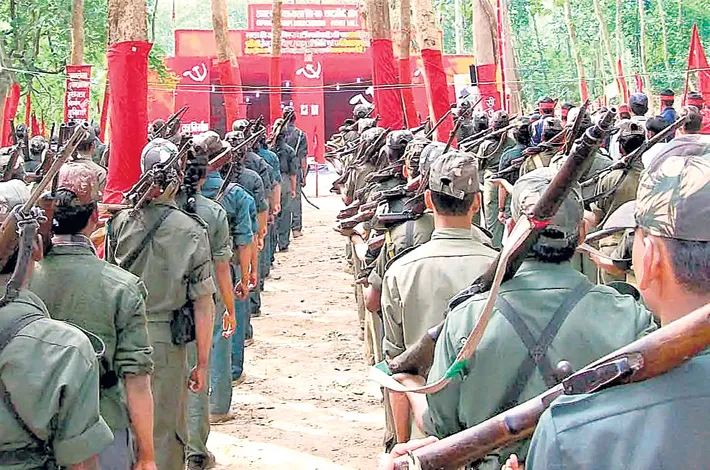
Even as India’s Left-Wing Extremism (LWE) movement shows a historic decline, the lives of surrendered Maoists continue to be shaped by hardship, social exclusion and unfulfilled rehabilitation promises. Official data from the Union Ministry of Home Affairs (MHA) indicates that Naxalism is in its “final phase,” with incidents down by 79 per cent and fatalities by 66 per cent between 2009 and 2024.
From nearly 180 affected districts, the movement has shrunk to just 12 core districts by 2025. The Centre aims for a “Naxal-free India” by 2026, stressing that durable peace depends not only on security operations but also on credible rehabilitation and social reintegration.
Governments have rolled out surrender-cum-rehabilitation policies offering cash incentives, vocational training, monthly stipends and long-term benefits such as land. Andhra Pradesh and Telangana provide incentives based on rank, along with a Rs. 5,000 monthly stipend for up to two years during skill training. Chhattisgarh’s revised 2025 policy places stronger emphasis on stability, promising one hectare of agricultural land or four decimals of urban land to surrendered cadres carrying rewards of Rs. 5 lakh or more, or Rs. 2 lakh if land is unavailable. It also offers marriage incentives and allocates Rs. 1 crore for development if all Maoists in a gram panchayat surrender, signalling a shift toward community-based rehabilitation.
Despite these provisions, implementation gaps remain a serious concern. While positive examples exist—such as livelihood training at Jagdalpur Livelihood College in Bastar and initiatives like Pandum Café, where former cadres and victims work together—many surrendered Maoists report delays in land allotment, housing and employment. A stark illustration is that of former People’s War Group commander Nagavelli Mohan, who surrendered in 1989 and was killed by Maoists in 2003. His wife, Nagavelli Aruna, is yet to receive the promised land even after three decades, underscoring failures in long-term policy execution.
Beyond economic insecurity, social exclusion has emerged as the most persistent challenge. Former cadres often face stigma, discrimination and psychological trauma, struggling to gain acceptance within their communities. Without sustained counselling, livelihood security and social support, many are forced to rebuild their lives from scratch, slipping back into poverty. Officials acknowledge that prolonged insecurity and isolation increase the risk of relapse into extremism.
Experts warn that while the weakening of the Maoist movement is real, incomplete rehabilitation could undermine these gains. Bureaucratic delays, lack of transparency and failure to honour long-term commitments have eroded trust in surrender policies. For peace to be lasting, rehabilitation must go beyond cash and training to ensure land rights, mental health care and, crucially, social acceptance. Without genuine reintegration, analysts caution, the current decline in violence may prove to be only a temporary pause rather than a permanent resolution.