7 September, 2026 | 1:17 PM


SIR creating two classes of citizens in India: Parakala Prabhakar
13-05-2026 12:00:00 AM
Metro India News | Hyderabad
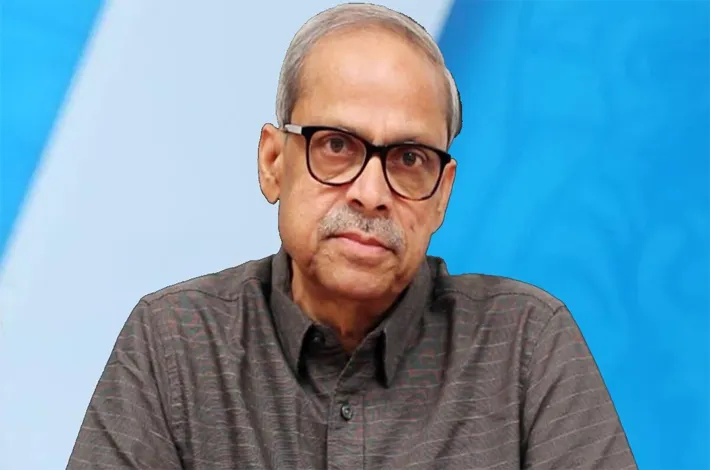
Political commentator Parakala Prabhakar, a strong critic of the Special Intensive Revision (SIR), has raised serious concerns over the 2026 assembly elections held in West Bengal, Tamil Nadu, Kerala, Assam and Puducherry, arguing that the process could reshape India’s democratic structure.
He warned that at the end of SIR, India may effectively end up with “two classes of people — one with vote and one without vote,” creating a divide between citizens with full political rights and those with only partial rights. “Imagine a community of 500 people where none have a vote. No party will go there. They will get nothing — no water, ration, road, school or hospital,” he said, highlighting what he sees as the long-term exclusion effect.
Prabhakar alleged that around 28 lakh people in West Bengal were denied voting rights without being formally declared ineligible. He also pointed to claims of 93 lakh total deletions from voter lists, calling the process questionable. “Even if one eligible person is denied the vote, that cannot be a legitimate election,” he said.
He compared security deployment, noting that while around one lakh central forces were used nationwide during the 2024 general elections, West Bengal alone saw about 2.88 lakh personnel deployed, calling it “practically an invasion.” He also cited large-scale administrative transfers and the takeover of police stations by central forces during polling.
He further argued that a 4% vote difference between TMC and BJP translated into a nearly 100-seat gap due to selective voter list changes. According to him, targeted deletions and curated voter rolls significantly influenced outcomes.
Prabhakar also said BJP’s political strategy targeted leaders like Mamata Banerjee and M.K. Stalin, while weakening opposition space in Kerala and Assam, where Congress was reduced below 20 seats. He added that defiant leaders like Mamata and Stalin remain key voices on federalism and rights.
He concluded that SIR could push India toward a system where only certain groups participate in politics, forcing all parties to eventually align with dominant ideological symbols, which he described as a long-term risk to democratic diversity.