16 October, 2026 | 4:45 AM


SIR , voter deletion and ‘bloodless political genocide’
20-04-2026 12:00:00 AM
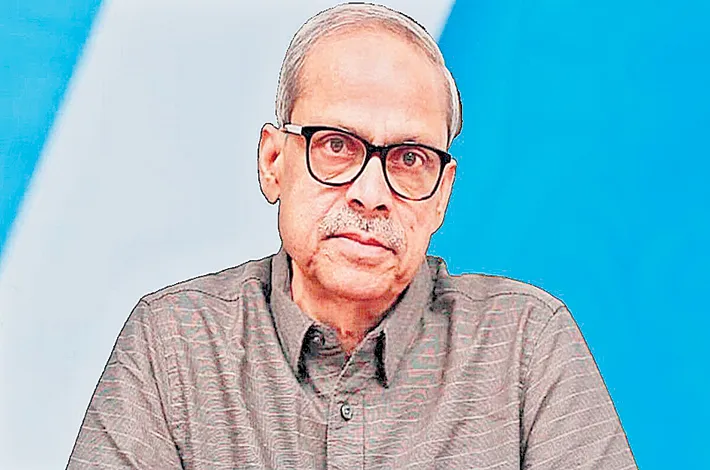
Controversial Special Intensive Revision (SIR) of voter lists in West Bengal has sparked intense debate ahead of the state's 2026 assembly elections, with critics describing it as a "bloodless political genocide" that undermines democracy. Economist Parakala Prabhakar, a vocal critic of the process made these strong remarks during an interview to a news channel. He argued that the Election Commission of India's (ECI) exercise has effectively turned the tables on India's democratic principles.
In West Bengal, the process has led to the deletion of approximately 90-91 lakh names from the voter rolls — roughly 12% of the state's electorate. Prabhakar pointed out that RTI queries revealed no detailed study justifying the move after the previous Summary Revision (SSR), no public report on findings like dead or duplicate entries, and even no internal file notings or decision-making records within the Commission. He noted similar patterns followed the Bihar SIR, which preceded a BJP government formation there.
Disproportionate impact on marginalized groups
Prabhakar, highlighted that in West Bengal, about 95% of those placed in "adjudication" (a review process for eligibility) were reportedly from Muslim backgrounds, even though Muslims constitute around 27% of the state's population. Overall deletions showed 34% Muslims and 63% Hindus, but critics argue the process creates barriers for the poor, uneducated, daily wage laborers who struggle to provide extensive documents like parents' or grandparents' proofs.
‘Bloodless Political Genocide’ and reversal of democracy
Prabhakar called the SIR a "bloodless political genocide." In modern India, where physical expulsion or violence is not feasible, he said the method is subtler: killing the citizenship itself by denying the foundational right to vote. With elections approaching (phases on April 23 and 29, 2026, in this context), he questioned whether polls involving 27 lakh voters still in limbo after adjudication can be called truly democratic.
When asked why parties continue fighting elections if they believe votes are being "stolen," he suggested that genuine change requires civil society to lead through peaceful satyagraha and "feet on the ground" agitation. He appealed for sustained public discourse, data-driven storytelling, and broad awareness rather than fleeting protests that fade after polls.