22 October, 2026 | 10:19 AM


Tariff tantrums-What should be “Plan B”
13-01-2026 12:00:00 AM
As high-stakes diplomatic and economic maneuvering unfolds in New Delhi, India finds itself navigating a complex relationship with the United States under President Donald Trump's administration. The arrival of the new US Ambassador, Sergio Gor, has been marked by optimistic rhetoric about "incredible opportunities" and strengthened bilateral ties. However, this positive messaging contrasts sharply with ongoing tensions, including heavy US tariffs on Indian exports—reaching up to 50% in some cases, partly linked to India's continued imports of Russian oil.
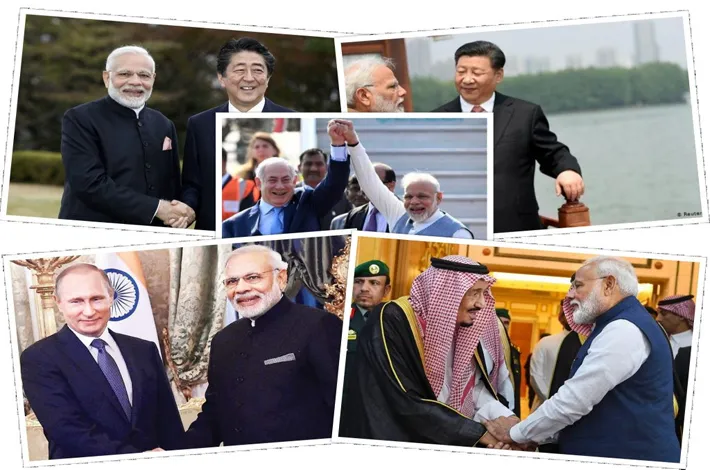
In response, India has accelerated its Plan B: a strategic push toward trade diversification. New Delhi is actively implementing or advancing free trade agreements (FTAs) with several key partners. Deals with the United Kingdom and New Zealand are moving toward full implementation, while negotiations are being fast-tracked with Mexico, Chile, and the European Union (EU). The overarching goal appears to be building a robust global trade network encompassing major economies—while notably excluding the United States (and China in many cases).
This approach aims to insulate India's economy from US protectionism and maintain growth momentum. A pivotal moment in this diversification strategy could come with the anticipated visit of EU Commission President Ursula von der Leyen (along with European Council President António Costa) around January 26, 2026, coinciding with India's Republic Day celebrations and an India-EU summit.
Discussions are expected to focus on concluding a long-pending FTA (often referred to as BTIA or similar frameworks in earlier talks), which could cover a significant portion of trade and resolve many outstanding issues. The EU's economic weight rivals that of the US, making such a deal potentially transformative for India's export sectors.
Panelists on a recent broadcast, including former diplomats and ambassadors offered sharp insights into the stalled US-India trade deal. They highlighted that negotiations had reached an advanced stage, with approvals at high levels on both sides, but President Trump ultimately refused to sign. They attributed this to multiple factors: India's refusal to halt certain operations at US urging, perceived lack of deference compared to other partners like the EU, and pressure tactics over issues such as genetically modified corn imports.
Despite the impasse, India's economy has shown resilience—exports to the US rose 15% in the year ending 2025, and overall growth has remained steady or even slightly higher. A former chief of a think tank Centre for Digital Economy Policy Research drew historical parallels, warning that broad tariff impositions reminiscent of the 1929 Smoot-Hawley tariffs could lead to economic downturns, potentially harming the US itself more than its targets.
He questioned the sincerity of US opportunities when actions appear lopsided, often favoring zero tariffs for US goods while imposing high duties on partners, in apparent violation of WTO norms. From an Indian viewpoint, this reinforces the wisdom of pursuing strategic independence and alternative partnerships.
Senior journalists specializing in foreign relations emphasized practical constraints, noting that while alternatives like Russia or France exist in areas such as defense, they come with limitations (sanctions or withheld technology). They predicted an eventual US deal but praised India's current diversification as making the best of circumstances. Meanwhile, massive investments from US giants like Google, Microsoft, and Amazon—totaling tens of billions—continue unabated, suggesting that American businesses are betting on long-term ties beyond the current administration.
Another representative from a US based foreign affairs consultancy highlighted internal divisions within the US MAGA framework. While President Trump's approach is highly personalized and whimsical—often tying trade to unrelated demands like personal calls or endorsements—figures like JD Vance appear more pragmatic, viewing India as a vital anti-China partner in a transactional but strategically important relationship. However, it was largely agreed that a post-Trump era could see smoother dynamics, though caution remains about emerging voices. Overall, the discussion reflected a consensus that India's multi-dimensional foreign policy—balancing firmness with the US while aggressively pursuing global FTAs—positions it well. The relationship with America retains deep ties through investment, services exports, remittances, and strategic interests, but New Delhi's refusal to adopt a supplicant posture underscores its growing confidence. As one retired diplomat put it, India will "survive very well" by forging ahead with diverse partners, turning potential isolation of the US economy into an opportunity for broader global integration. The coming months, particularly around key summits, will test whether diplomacy can bridge the current divide or if diversification becomes the new normal.