12 October, 2026 | 8:55 PM


The Keralam contest- LDF 3.0 or UDF?
17-03-2026 12:00:00 AM
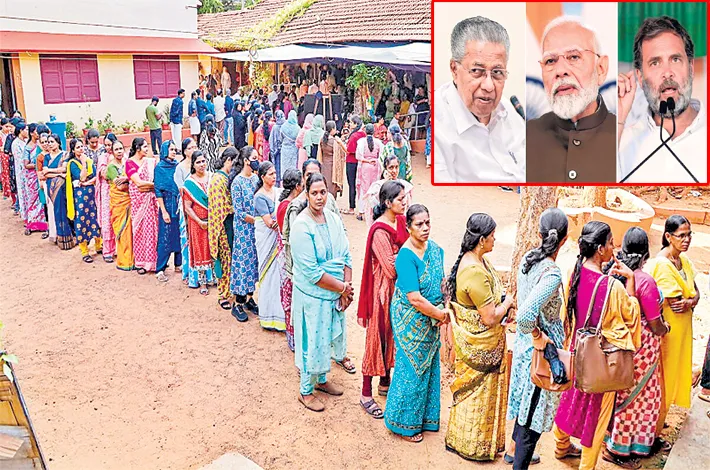
The Election Commission of India (ECI) announced the schedule for the 2026 Assembly elections in five key regions: Assam, Kerala, Puducherry, Tamil Nadu, and West Bengal. Polling for Assam, Kerala, and Puducherry will take place in a single phase on April 9, 2026. Tamil Nadu will vote in one phase on April 23, while West Bengal will hold elections in two phases—on April 23 and April 29. Counting of votes for all these states and the Union Territory will occur on May 4, 2026. This announcement sets the stage for high-stakes contests across more than 800 Assembly seats, with the Model Code of Conduct coming into immediate effect.
In Kerala, the spotlight is on Chief Minister Pinarayi Vijayan and the Left Democratic Front (LDF), who are aiming for a historic hat-trick—a third consecutive term, unprecedented in the state's political history. Analysts note that Vijayan remains the central figure, battling anti-incumbency allegations, including past corruption claims and family-related controversies. Despite these challenges, the LDF secured a strong vote share in 2021, and Vijayan's leadership continues to dominate.
The United Democratic Front (UDF), led by Congress, faces internal challenges: no clear chief ministerial face, rumblings within the party, and MPs expressing interest in contesting Assembly seats rather than staying in Delhi. Speculation surrounds figures like Shashi Tharoor potentially entering the fray. Meanwhile, the NDA (BJP-led) shows momentum after breaking a long LDF dominance in Thiruvananthapuram Corporation and with active campaigning, including rallies by Prime Minister Modi emphasizing unity and progress.
The BJP's vote share has seen an upward trend, though it remains far from challenging for power statewide. Buoyed by its first Lok Sabha seat win in Kerala in 2024 and successes in recent local body elections—including ending long-standing Left rule in places like Thiruvananthapuram Corporation—the BJP is positioning itself as a disruptor with the "Viksit Keralam" (Developed Kerala) slogan. While not yet in a position to form the government, it aims to split votes, expand its vote share, particularly among urban, youth, and faith-based voters, and establish itself as a viable third force in the state's traditionally bipolar politics.
A political analyst noted that growing BJP strength might not translate into many seats but could discomfort the LDF by splitting votes, potentially benefiting the Congress in its bid to reclaim power. He emphasized Kerala's literate, politically conscious electorate and high voter turnout, which make international events—like impacts on Gulf remittances due to regional instability—a potential factor that could blunt BJP's edge in a state sensitive to such issues.
A Congress leader strongly argued against a third LDF term, asserting that Kerala society demands change after a decade without democratic alternation. She criticized the LDF for financial crises burdening future generations, high youth unemployment and migration, corruption scandals (gold smuggling, Life Mission, Karuvannur cooperative bank), credibility loss, politicization of institutions, law and order issues, and political violence. In her view, Kerala deserves a corruption-free, neutral governance, with the UDF as the only viable solution—dismissing any significant role for the BJP.
As the campaign intensifies, Kerala's 2026 election promises to test not just anti-incumbency and governance records but the resilience of its long-standing political duopoly against an emerging triangular contest. With high voter awareness and diverse issues at play—from local welfare to national and international ripples—the outcome could reshape the state's political landscape for years to come.