20 October, 2026 | 6:16 AM


The Shadow of the Palms in Tiruvananthapuram
09-08-2025 12:00:00 AM
The humid air clung to Inspector Anil Nair’s skin as he stepped out of his jeep, the salty tang of the Arabian Sea mingling with the stench of decay. It was just past midnight in Tiruvananthapuram, and the quiet streets of Kowdiar, usually alive with the chatter of tea stalls and temple bells, were eerily silent. The call had come in an hour ago: a body found near the Napier Museum, tucked behind a grove of coconut palms. Anil adjusted his khaki cap, his torch cutting through the darkness as he approached the crime scene.
Constable Suresh, a wiry young officer, stood guard, his face pale under the flickering streetlight. “Sir, it’s… gruesome,” he stammered, pointing toward the palms. Anil nodded, his jaw tight. Thirty years on the force, and he’d seen plenty—stabbings in Varkala’s back alleys, smuggling rings along the Kovalam coast—but something about this case felt different. The air carried a weight, like the city itself was holding its breath.
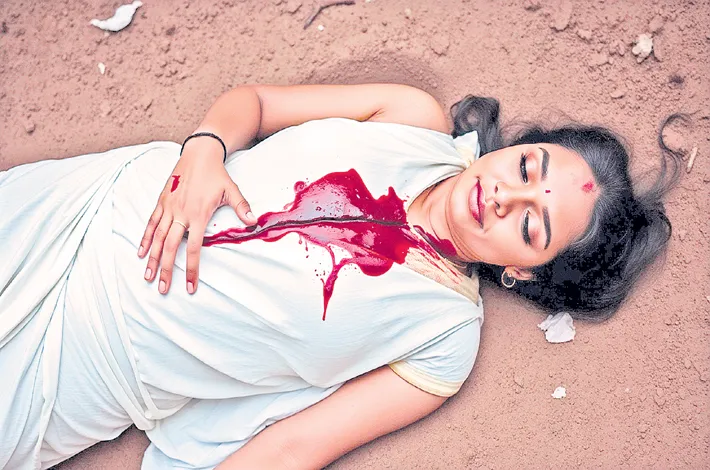
The victim was a woman, mid-thirties, sprawled face-down in the dirt. Her white saree was stained crimson, the blood pooling beneath her. A deep gash ran across her throat, precise and brutal. Anil crouched, his torch illuminating her face—beautiful, even in death, with kohl-lined eyes and a faint jasmine scent lingering. No purse, no jewelry, no signs of a struggle. “Who found her?” Anil asked.
“A night watchman, sir,” Suresh replied. “Heard a scream around 11 p.m., thought it was stray dogs at first. Then he saw… this.”
Anil scanned the scene. The ground was soft from recent rains, but there were no footprints, no drag marks. The killer had been careful. Too careful. His eyes caught a glint in the grass—a small, intricately carved silver amulet, shaped like a lotus. He bagged it, his gut telling him it wasn’t the victim’s.
Back at the station, Anil ran the victim’s description through missing persons. By dawn, he had a match: Meera Varma, 34, a curator at the Napier Museum. Her colleagues described her as reserved, brilliant, and fiercely protective of the museum’s artifacts. She’d been working late, cataloging a new shipment of Chola bronzes, when she vanished. Anil’s team pulled her phone records—nothing unusual, except for a string of late-night calls to an unregistered number over the past month.
The amulet nagged at him. He sent it to forensics, but his instincts led him to Vellayani Lake, where local jewelers often sold trinkets to tourists. An old craftsman, squinting through betel-stained teeth, recognized the lotus design. “Temple work,” he said. “Made for priests, not common folk. You’d find these with the Padmanabhaswamy lot.”
The Padmanabhaswamy Temple, a sprawling fortress of wealth and secrets, was no stranger to controversy. Its hidden vaults, rumored to hold billions in gold and gems, had sparked disputes over ownership for years. Anil’s mind raced. Meera, an expert in ancient artifacts, murdered steps from her workplace, with a temple amulet nearby? This wasn’t random.
He visited the temple, its gopuram looming under the midday sun. The head priest, Swami Karunakaran, was a towering figure with piercing eyes. Anil showed him the amulet. The priest’s face remained impassive, but his fingers twitched. “Many wear such tokens,” he said coolly. “It proves nothing.” Anil pressed, asking about Meera. The priest claimed ignorance, but a young acolyte nearby shifted uncomfortably, avoiding Anil’s gaze.
That night, Anil tailed the acolyte, a nervous boy named Vinod, to a rundown tea shop in Chalai Bazaar. Vinod met a man in a hooded jacket, passing him a small package. Anil moved closer, catching fragments of their conversation—“…bronze… vault… she knew too much…” Before he could intervene, the hooded man spotted him and bolted into the maze of alleys. Anil gave chase, his lungs burning, but the man vanished into the crowd.
Back at the station, forensics confirmed the amulet’s age: over 200 years old, likely from the temple’s inner sanctum. Meera’s phone records also traced the unregistered number to a burner phone, last pinged near the temple. Anil’s theory took shape: Meera had uncovered something—perhaps a theft from the temple’s vaults, tied to the Chola bronzes she was cataloging. Someone wanted her silenced.
The next day, Anil returned to the museum, combing through Meera’s office. Hidden in a locked drawer was a notebook, filled with sketches of bronze idols and cryptic notes: “Vault B. Not empty. They’re moving it.” Vault B, the temple’s most secretive chamber, was said to be cursed, unopened for centuries. If Meera had evidence of tampering, it explained the precision of her murder.
Anil confronted the priest again, this time with the notebook. Swami Karunakaran’s calm cracked. “You’re meddling in divine matters, Inspector,” he hissed. “Leave it be.” Anil didn’t back down. That night, he arranged a sting, using Vinod as bait. The acolyte, terrified, confessed: a syndicate, led by a shadowy figure known only as “The Collector,” was smuggling artifacts from Vault B, with the priest’s blessing. Meera had caught wind of it and threatened to expose them.
At midnight, Anil’s team raided a warehouse in Attingal, guided by Vinod’s tip. Inside, they found crates of bronze idols, gold ornaments, and temple relics. The hooded man from the bazaar was there, revealed as a local antiques dealer with ties to international markets. A firefight erupted, bullets ricocheting off concrete. Anil tackled the dealer, cuffing him as backup swarmed in.
The priest was arrested at dawn, his divine facade shattered. The Collector, however, remained a ghost—his identity unknown, his reach vast. Anil stood at Meera’s crime scene one last time, the palm shadows swaying in the breeze. The case was solved, but the city’s secrets felt heavier than ever. He lit a cigarette, the smoke curling toward the stars, and wondered how many more shadows lurked in Tiruvananthapuram’s heart.