16 August, 2026 | 8:48 AM


Turmeric Board promotes pest management to strengthen exports
11-03-2026 12:00:00 AM
India exported about 1.76 lakh metric tonnes of turmeric valued at approximately 341.54 million US dollars during 2024–25
The National Turmeric Board conducted a farmer awareness and quality improvement training programme in Nirmal district to promote the adoption of Integrated Pest Management (IPM) in turmeric cultivation. More than 100 farmers and several Farmer Producer Organizations from turmeric-growing areas participated. Nirmal district was selected for this initiative to help reduce pesticide residue levels in turmeric and improve overall quality. The Board aims to promote residue-compliant turmeric suitable for premium export markets.
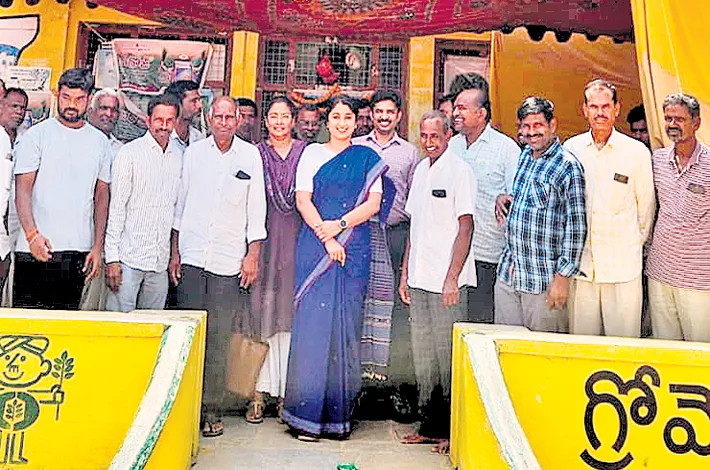
Addressing the gathering, N. Bhavani Sri, Secretary of the National Turmeric Board, highlighted the importance of adopting Integrated Pest Management practices to improve turmeric quality and strengthen India’s export potential. She noted that export markets such as the European Union, the United States, the United Kingdom, Japan and Korea maintain strict regulations for pesticide residues, aflatoxins and other contaminants. Farmers therefore need to adopt scientific cultivation practices to ensure turmeric meets international quality standards.
During the programme, the Secretary explained various IPM techniques and highlighted how biological, mechanical and botanical approaches can help farmers manage pests while reducing dependence on synthetic pesticides. She informed farmers that biological agents such as Trichoderma viride and Pseudomonas fluorescens, along with pheromone traps and neem-based formulations, can help control diseases such as rhizome rot and maintain crop health.
She also emphasized that many turmeric export quality parameters are determined at the farm level. The adoption of Good Agricultural Practices (GAP) plays a crucial role in ensuring compliance with international standards. Issues such as aflatoxin contamination, microbial contamination including Salmonella, and pesticide residue levels are often linked to cultivation practices, post-harvest handling, moisture management and drying techniques. Proper drying and moisture management are therefore essential to preserve quality and avoid contamination that could lead to rejection in export markets.
The Secretary also noted that while organic production is an important goal, the conversion process requires soil replenishment and a transition period of nearly three years to meet certification requirements. She advised farmers that adopting IPM practices is a practical first step toward sustainable cultivation and can later support the transition to organic farming.
She further stated that the Board is taking initiatives to connect exporters and buyers directly with farmers to help them obtain better prices. She also emphasized the importance of cluster-based cultivation, quality standardization, organic certification and traceability systems for export markets.
Farmers were trained on Good Agricultural Practices and IPM, and officers of the Board explained certification requirements during the programme. Mr. Bomma Reddy, Chairman of a cooperative from Nirmal district, appreciated the Board’s efforts to strengthen the turmeric ecosystem.
The Board has previously undertaken a pilot project in the Morthad region to promote sustainable and residue-compliant turmeric cultivation. It now plans to expand these initiatives to about 200 acres in Nirmal district in collaboration with Farmer Producer Organizations.