22 September, 2026 | 6:34 PM


Understanding CVI: What parents and caregivers should know
03-01-2026 12:00:00 AM
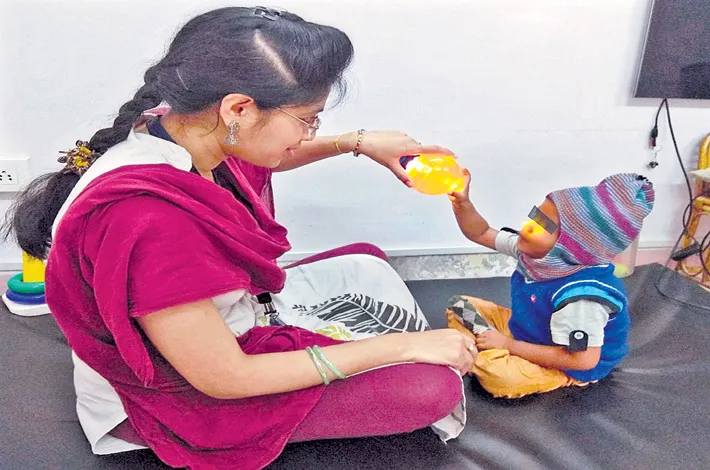
Hyderabad: Cortical/Cerebral Visual Impairment (CVI) stands as one of the leading causes of vision difficulties in children worldwide. Unlike traditional eye conditions that affect the eyes themselves, CVI results from damage to the brain's visual processing centres. In many cases, a child's eyes appear completely healthy and normal on standard examinations, yet the child faces significant struggles in seeing, understanding, or effectively using visual information in daily life.
The condition often stems from brain injuries occurring before, during, or shortly after birth. Common triggers include lack of oxygen or blood supply to the brain (such as from a stroke), fluid build-up (hydrocephalus), infections affecting the brain, head injuries, premature birth, and certain genetic, metabolic, or chromosomal disorders. These early disruptions can profoundly impact how the brain interprets visual signals.
Key signs to watch for include delayed responses to visual stimuli, difficulty recognizing faces or objects, trouble picking out items from cluttered backgrounds, challenges in reaching for seen objects, slower reactions to visual cues, a preference for moving over stationary objects, reliance on peripheral (side) vision, light sensitivity or fascination with lights, prolonged staring at objects, attraction to bright or specific colours, quick fatigue during visual tasks, and inconsistent vision that varies from day to day or situation to situation.
Early identification and intervention are crucial for improving quality of life. With tailored support, children with CVI can learn to use their vision more effectively and better navigate visual complexity.
Through structured assessments and coordinated rehabilitation, L V Prasad Eye Institute (LVPEI) helps children reach their full potential. For more information on CVI confirmation and rehabilitation, contact LVPEI at 040 – 68102841/42 or visit www.lvpei.org.