6 November, 2026 | 9:57 PM


Why flurry of derogatory remarks & US belittle India
06-11-2026 12:00:00 AM
Metro India News | Hyderabad
Former Union Secretary EAS Sarma, from Visakhapatnam, Andhra Pradesh, wrote a significant letter to T V Somanathan, Cabinet Secretary, Central Government and the Telecom Secretary. Telecom Minister Jyotiraditya Scindia said that India would follow the global trend of administrative spectrum allocation in Oct. 2024.
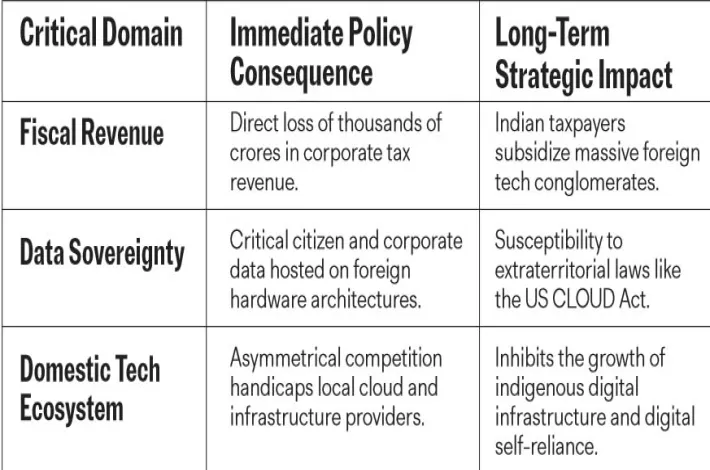
He also recalled that as the Vice President of the US made a derogatory reference to Indian H-1B visa professionals as “indentured servants,” which is a good enough reason for India to revoke permissions given to StarLink, withdraw tax holiday for US data centers, and review the import of US nuclear reactors.
Sarma further said that the Telecom Minister had not been adequately briefed by his officers on the Supreme Court’s observations in the well-known “2G Spectrum Case” on the necessity of allocating satellite spectrum on the basis of a transparent auction system so as to ensure that a precious resource like satellite spectrum may not get allotted for a pittance. In the landmark 2G spectrum ruling, the Supreme Court of India underscored that public resources and scarce natural assets belong to the people and must generally be alienated through transparent, competitive mechanisms to prevent the transfer of public wealth for private windfall.
Bypassing market-determined auctions risks depriving the public exchequer of legitimate revenues. Starlink is deeply intertwined with US defense, intelligence, and aerospace establishments (exemplified by the Starshield program). Entrusting India's orbital spectrum and critical data conduits to a foreign corporation subject to foreign jurisdictional mandates presents profound national security and surveillance risks.
Crucial spectrum bands must be safeguarded primarily for ISRO’s indigenous space programs and the armed forces, rather than surrendered under intense corporate lobbying. Doling out multi-decade tax exemptions without reciprocal technology transfers or strict, sovereign data fencing directly compromises India’s atomic energy program was anchored by Dr.Homi J. Bhabha on the foundation of complete self-reliance, utilizing domestic resources (such as thorium reserves) and nurturing indigenous engineering talent.
Legislative moves—from the earlier push for US reactor imports under the Civil Nuclear Deal to recent shifts like the proposed SHANTI legislation—have systematically sought to shield foreign reactor vendors from civil liability in the event of industrial defects or accidents.
The Indian government must act decisively: Revoke administrative spectrum privileges granted to Starlink and subject foreign satcom operators to stringent national security and transparent auction protocols; Rescind the unconditional tax holiday for foreign data centers and re-evaluate imported nuclear reactor deals, upholding strict supplier liability to safeguard public safety and prioritize indigenous nuclear reactors.
True strategic autonomy is measured not by diplomatic pleasantries or corporate summits, but by the courage to say "no" when sovereign interests are compromised. It is time for India to recalibrate its economic relations on terms of uncompromised dignity and uncompromising national interest.
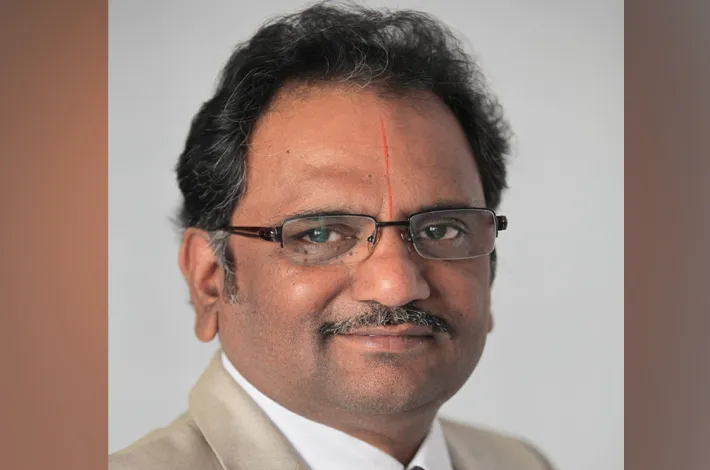
(Madabhushi Sridhar presently serving as a Dean, School of Law, Mahindra University.)