7 September, 2026 | 3:08 PM


WTO Ministers to discuss trade, agriculture
09-03-2026 12:00:00 AM
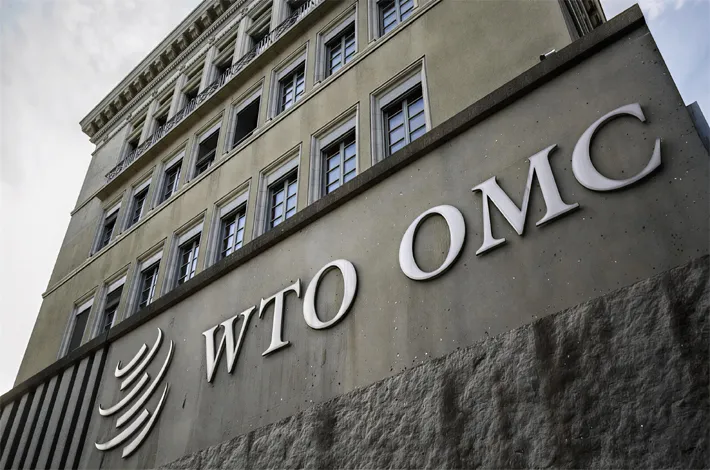
On agriculture, India is pushing for a permanent solution to the public stockholding (PSH) issue, pending for over a decade
Metro India News | NEW DELHI
Trade ministers from 166 countries are set to meet at the 14th World Trade Organisation (WTO) Ministerial Conference (MC14) in Yaounde, Cameroon, from March 26 to 29, 2026, to discuss reforms, agriculture, dispute settlement, and the e-commerce moratorium. The Indian delegation will be led by Commerce and Industry Minister Piyush Goyal.
Key issues on the agenda include fisheries subsidies, the China-led Investment Facilitation for Development (IFD) agreement, special and differential treatment (S&DT) for developing nations, and ensuring a level playing field in global trade. The meeting comes amid disruptions from US tariffs and the West Asia crisis affecting energy supplies and shipping routes.
On agriculture, India is pushing for a permanent solution to the public stockholding (PSH) issue, pending for over a decade, and seeks the Special Safeguard Mechanism (SSM) to protect against import surges and price falls. While the Cairns group and the US focus on market access and limiting subsidies, India emphasizes food security and support for developing nations.
Dispute settlement reforms are another major topic. The WTO appellate body has been non-functional since 2019, and the US wants to weaken the two-tier system, while India and other developing nations insist on maintaining it. Alternatives to litigation are also being discussed.
On e-commerce, India opposes extending the moratorium on customs duties for electronic transmissions, citing potential revenue losses of USD 500 million annually and the need to preserve policy space for domestic industrialization. India also raised concerns about Joint Statement Initiatives (JSIs) that may fragment the multilateral trading system.
The IFD agreement, pushed by China and 128 countries, remains contested, as India had opposed it at MC13. Special and differential treatment provisions allowing developing countries longer timelines and trading benefits are also under debate, with developed nations questioning self-declared development status.
Fisheries subsidies negotiations continue, with India calling for discipline on fuel subsidies provided by major players like China, the EU, and the US.
The MC14 will be a crucial test of global cooperation amid rising trade tensions and geopolitical uncertainties.