22 September, 2026 | 4:01 PM


H1B fee hike leaves a strain on India’s tech
21-12-2025 12:00:00 AM
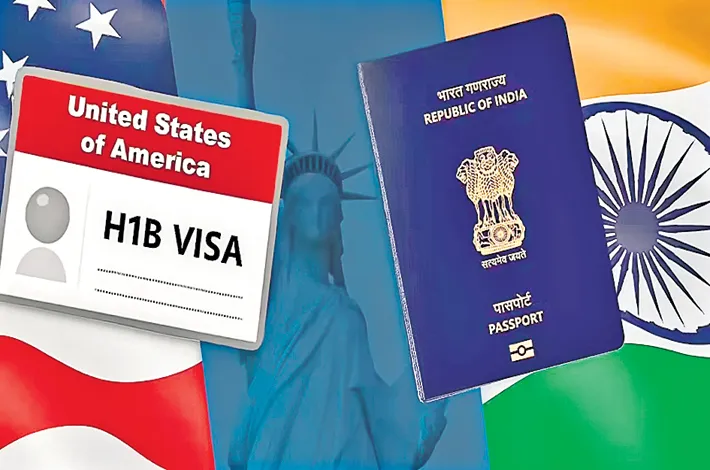
Trump’s $100,000 H-1B Fee puts Indian Infosys and TCS under the strain
- $100,000 H-1B Fee: Trump administration hikes cost for new H-1B visas for workers hired from outside the US
- Indian IT Hit Hard: TCS, Infosys, Cognizant most affected due to heavy reliance on overseas hiring
- High Dependence: 82% of TCS and 93% of Infosys new H-1B hires recruited via US consulates abroad
- Cost & Margin Pressure: Fee can equal a mid-level engineer’s annual salary, straining outsourcing economics
- Market & Legal Impact: Nifty IT fell 2.5%; lawsuits filed, though courts signal broad presidential authority
- Strategic Shift Ahead: Firms likely to boost offshoring, increase US local hiring; H-1B entries may drop 30–50%
- Beyond these corporate shifts, the policy also threatens to decrease the overseas career opportunities for Indian professionals, disrupting traditional pathways into the U.S. tech ecosystem, and potentially worsen skills shortages.
Infosys and Tata Consultancy Services (TCS), among India’s largest IT services companies, are facing one of their toughest operational challenges in years following US President Donald Trump’s decision to impose a $100,000 fee on new H-1B visas for workers hired from outside the United States.
The move is intended to curb the inflow of foreign professionals into the US workforce. However, it directly impacts Indian IT firms that have long relied on overseas talent mobility to serve American clients. Under the new policy, companies filing H-1B petitions for workers recruited abroad must pay the steep fee per employee, making traditional onsite staffing models financially unviable. The impact is particularly severe for large outsourcing and staffing firms such as TCS, Infosys and Cognizant Technology Solutions, which together sponsor thousands of H-1B visas annually. About 82% of TCS’s and 93% of Infosys’s new H-1B hires are recruited through US consulates overseas rather than locally within the US.
The Trump administration has maintained that the fee is meant to ensure H-1B visas are limited to the highest-paid and most specialised roles. Industry observers, however, point out that the $100,000 charge can equal or even exceed the annual salary of mid-level engineers typically deployed at US client sites. This significantly alters the economics of outsourcing contracts and further squeezes margins already under pressure in the Indian IT sector.
The policy marks one of the most stringent restrictions yet on skilled foreign workers, applying specifically to new H-1B petitions filed for workers outside the US. Multinational staffing companies acting as intermediaries for American corporations are among the hardest hit, reinforcing long-standing political criticism of the outsourcing model.
Markets reacted swiftly. Following the announcement, the Nifty IT index fell up to 2.5%, while shares of major firms including TCS and Infosys declined by as much as 2%, reflecting investor concerns over rising costs and possible revenue disruptions.
Legal challenges have also emerged. By mid-December, a coalition of 20 US states, including California and New York, filed a federal lawsuit arguing the fee is unlawful. However, on December 19, 2025, a federal judge observed that the President holds “vast authority” over immigration, casting doubt on attempts to block the policy.
Analysts expect Indian IT firms to respond by accelerating extreme offshoring, expanding delivery from India, and increasing local US hiring. H-1B lottery entries could fall 30–50% next year.