28 September, 2026 | 1:21 AM


AI-powered system to transform traffic
17-06-2026 12:00:00 AM
kiranmai tutika | AMARAVATI
In a major step toward building a smarter and more efficient urban transport network, the Vijayawada Traffic Police are preparing to introduce Artificial Intelligence (AI)-enabled traffic signal controllers at several key junctions across the city. The initiative comes after a successful pilot project implemented at the busy Ramesh Hospital Junction, where the system demonstrated significant improvements in traffic flow and congestion management.
Encouraged by the positive results, authorities have decided to expand the technology to several major intersections, including Benz Circle, Nirmala Junction, Mahanadu Junction, Challapalli Bungalow, Police Control Room Junction, DCP Bungalow Junction, Anjaneya Swamy Junction, Chuttugunta Junction, Vijaya Talkies, Sarada College Junction, Seetharampuram, Seethannapeta Gate, Padavalarevu, Apsara Junction, Food Junction, and Madhura Nagar. The installations are expected to be completed by the end of this month.
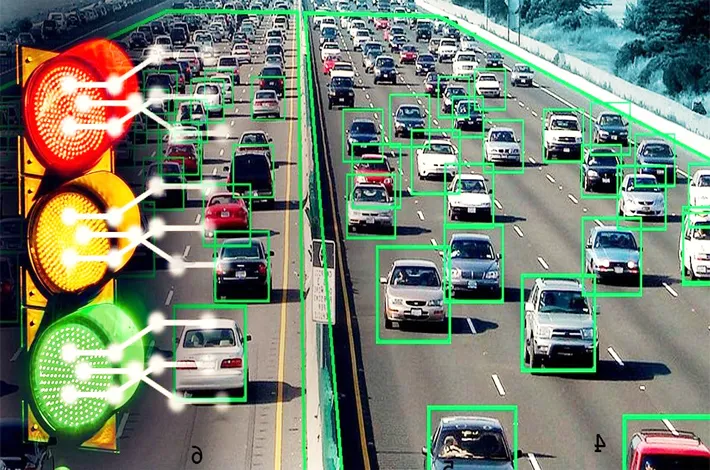
The new system uses smart signal controllers connected to a centralized software platform. Traffic personnel can monitor and control signal operations through a web-based interface or mobile application. Unlike conventional traffic signals that operate on fixed timing schedules, the AI-enabled system allows authorities to instantly modify signal durations based on real-time traffic conditions. This flexibility is expected to significantly reduce delays during peak hours and special traffic situations.
As part of future upgrades, additional CCTV cameras will be installed at major intersections to monitor vehicle density in real time. Data collected from these cameras will be transmitted to a central command and control center, enabling officials to quickly identify congestion and adjust signal timings accordingly. The system will eventually be integrated with an Adaptive Traffic Control System (ATCS), allowing traffic signals to function automatically based on traffic volume and vehicle movement patterns.
Another important component of the project is the planned deployment of Automatic Number Plate Recognition (ANPR) cameras across the city. These cameras will help authorities identify traffic violations instantly, automate challan generation, improve enforcement transparency, and track stolen vehicles more effectively. ANPR technology can also strengthen urban security monitoring and support smoother traffic operations.
Officials believe the AI-driven traffic management system will significantly reduce traffic jams at major junctions, shorten vehicle waiting times, save fuel, and lower carbon emissions. By leveraging advanced technology and data-driven decision-making, Vijayawada is positioning itself as one of the leading smart cities in Andhra Pradesh, with a focus on safer, faster, and more sustainable urban mobility.