23 October, 2026 | 11:53 AM


‘Auto-Debit of traffic challans is unconstitutional’
14-01-2026 12:00:00 AM
Under Section 200 of the Motor Vehicles Act, citizens are expressly granted the choice either to pay the challan or to contest it before a court of law. Auto-debit extinguishes this statutory right altogether, striking at the very core of democratic and legal safeguards
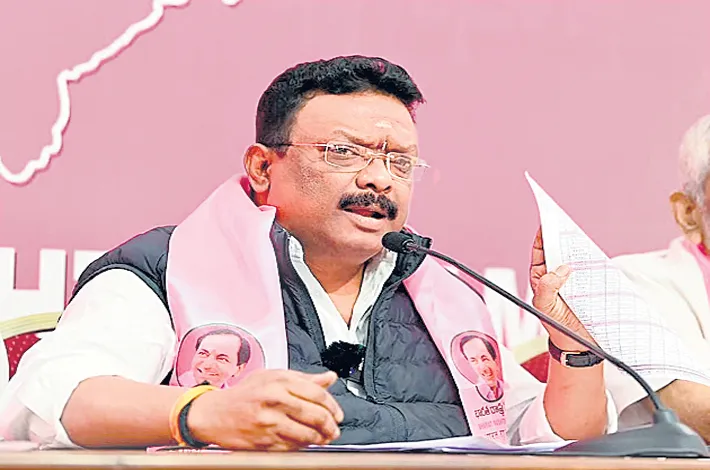
Taking a strong exception to the proposal to collect traffic challans by automatically debiting citizens’ bank accounts, BRS MLC Dasoju Sravan said that the proposal is deeply alarming, unlawful, and fundamentally contrary to the spirit of the Constitution of India. While enforcement of traffic regulations is unquestionably the responsibility of the government, bypassing established legal procedures and directly accessing citizens’ bank accounts represents a dangerous and unacceptable overreach of state power, he remarked.
In a press statement, Sravan said that the traffic challan is not a conviction, but it is merely a 'notice of allegation'. Every citizen has the legal right to offer an explanation, contest the allegation, or seek judicial remedy. An auto-debit mechanism effectively imposes punishment without adjudication, blatantly violating the foundational legal principle of 'innocent until proven guilty'. In fact, such a move constitutes a clear violation of Article 21 (Right to Life and Personal Liberty) and Article 300A (Right to Property) of the Constitution. Money held in a citizen’s bank account is private property, and no authority - state or otherwise - can seize it without due process of law or a valid court order, he noted.
Further, the BRS MLC said that the RBI regulations and banking laws explicitly prohibit debiting a bank account without the account holder’s explicit consent or a judicial mandate. Banking falls under the 'Union List', and no state government has the legal competence to unilaterally impose an auto-debit system. Any such action would severely undermine the fiduciary relationship between banks and customers and erode public trust in the banking system itself, he added.
He also said that the proposal also threatens the 'Right to Privacy' which is recognized as a fundamental right by the Supreme Court in the landmark Justice K.S. Puttaswamy judgment. Accessing or using citizens’ bank account details for challan recovery is unnecessary, disproportionate, and constitutes an unjustified intrusion into personal financial privacy.
Under Section 200 of the Motor Vehicles Act, citizens are expressly granted the choice either to pay the challan or to contest it before a court of law. Auto-debit extinguishes this statutory right altogether, striking at the very core of democratic and legal safeguards. Governments exist to protect citizens’ rights and property - not to treat bank accounts as automatic revenue sources. If implemented, this auto-debit system would amount to nothing short of 'state-sanctioned coercion'. Therefore, on behalf of the people of Telangana, the BRS strongly and unequivocally demand that this proposal be withdrawn immediately. Traffic enforcement must adhere strictly to constitutional principles, statutory safeguards, and judicial oversight, ensuring that the fundamental rights, privacy, and property of citizens are fully respected.