24 October, 2026 | 6:46 PM


Electric bus revolution: Can it be a “permanent solution”
23-12-2025 12:00:00 AM
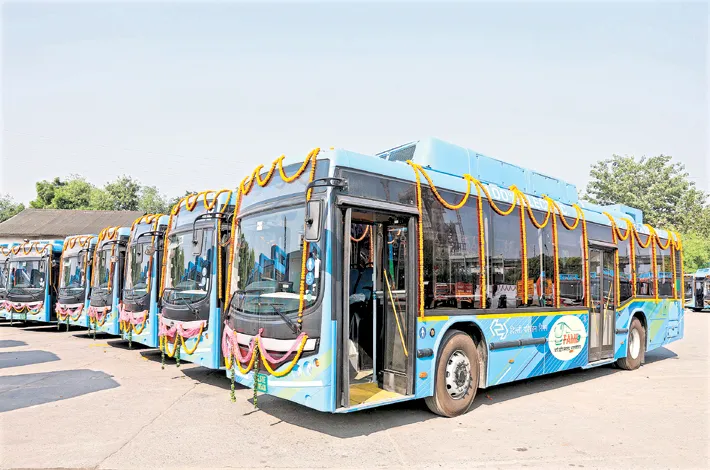
Delhi's transition to electric buses represents more than just an increase in numbers—from the current fleet of over 3,500 electric buses to ambitious targets for a fully green public transport system. This shift embodies a deeper commitment to improving public health, combating climate change, and promoting equitable access to mobility. The city has overcome significant challenges, including building charging infrastructure and adapting supply chains, while setting an example that has inspired peers both nationally and globally.
The journey ahead focuses on expanding charging hubs, advancing battery recycling, and integrating seamless multimodal travel options. A seasoned industry leader with over a decade in the transport sector, described it as a "great step" in the right direction. He emphasized how Delhi's poor air quality index (AQI) and environmental concerns necessitate electric vehicles (EVs) as the "need of the hour." With strong government support pushing green energy across buses, three-wheelers, and two-wheelers, around 80% of Delhi's buses are already electric, and CNG is being phased out.
He also pointed out that customers have adapted well, Original Equipment Manufacturers(OEMs) are contributing to the change, and the total cost of ownership model is proving viable, making Delhi cleaner and greener. However, he stressed that more work is needed and that creating a sustainable city is everyone's responsibility, not just the government's.
Founder of an intercity EV bus startup, echoed the progress made by the Delhi Transport Corporation (DTC). DTC has achieved impressive numbers and aims to convert its entire fleet to electric by 2026. Private intercity operators, including startups are playing a key role in reducing emissions from high-carbon routes out of Delhi. With strong consumer response and Indian OEMs now manufacturing suitable buses, he anticipates more private players transitioning to EVs soon.
The discussion also turned to the broader benefits and lingering challenges. Electric buses stand out for their zero tailpipe emissions, quieter operation, and potential for greater efficiency compared to traditional diesel or CNG buses. Yet, environmental experts pointed out that EVs alone cannot solve Delhi's pollution crisis.
Issues like unsynchronized traffic signals, unswept roads kicking up dust, ongoing construction, and industrial activity contribute significantly to particulate matter. They criticized superficial measures like road spraying and argued for holistic solutions, noting that even advanced nations like China have struggled with urban pollution despite widespread EV adoption. Maintenance concerns were raised too, with breakdowns and poor cleaning of buses adding to airborne dust.
On reliability and global potential, transport sector industry sources remained optimistic, viewing the glass as half full. Electric buses have fewer moving parts, leading to reduced breakdowns, and infrastructure is steadily improving. Delhi's model—achieving high EV penetration in a dense, complex city—could be exported to other Indian states and even international markets like Africa and Europe, where Indian manufacturers are already supplying buses. If the total cost of ownership works in India's challenging conditions, it can succeed anywhere.
Infrastructure emerged as a critical enabler. Existing public charging stations, previously underutilized, are now seeing higher demand from private EV bus operators, creating a win-win scenario. Startup representatives noted positive consumer feedback on intercity routes, with high occupancy rates and repeat customers, despite some gaps in charging networks. They also agreed that inadequate charging stations and high upfront costs deter private EV adoption, particularly for personal vehicles, where range anxiety and lack of return on investment remain barriers.
Encouraging greater use of public transport, especially e-buses, was another key topic. Improving last-mile connectivity—ensuring easy access from homes to bus or metro stops—is essential, particularly for elderly commuters. Seamless integration, better convenience, and awareness campaigns could drive the shift from private vehicles. Startups highlighted how passengers appreciate the smooth, quiet ride in electric buses, while industry veterans called for collective action: government, private players, startups, and citizens all working together to leave a cleaner Delhi for future generations.
Ultimately, Delhi's e-bus push is a bold stride toward sustainability. With over 3,500 electric buses already on the roads and plans for full electrification, the city is proving that large-scale green mobility is achievable. Residents are encouraged to experience the difference firsthand by riding an e-bus, contributing to a 100% electric future that benefits health, the environment, and equitable travel for all.