9 October, 2026 | 4:39 PM


End bias against people from NE
27-02-2026 12:00:00 AM
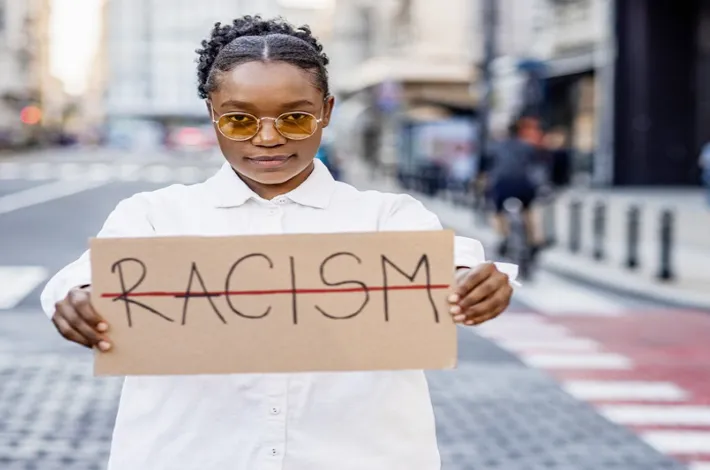
Call it racism, prejudice, or ignorance—the reality is undeniable: people from India’s Northeast continue to face discrimination when they travel or work outside their home region. They are asked about their nationality, mocked for their features, and subjected to slurs that question their belonging. Such behaviour exposes a disturbing assumption that there is a single “Indian” physical type. There is none. The people of Kerala, Punjab, Kashmir, Assam, and Nagaland are all distinct, yet equally Indian. Recent incidents underline how deep the problem runs.
In Malviya Nagar, Delhi, three women from Arunachal Pradesh were allegedly abused with racial slurs after a minor dispute over installing an air-conditioner. In Dehradun, the lynching of a student from the region shocked the nation. In UP, a doctor from Nagaland reportedly faced stalking and intimidation. These are not isolated events; they form a pattern of verbal abuse, housing discrimination, sexual harassment, and violence.
The tragedy is compounded when such cases are dismissed as routine neighbourhood quarrels rather than recognised as hate crimes. This systemic failure denies victims justice and emboldens perpetrators. Though helplines, nodal officers, and legal provisions exist, enforcement remains uneven. The Supreme Court’s directive for regular monitoring of racial discrimination complaints is welcome, but oversight alone will not end prejudice. The irony is stark. Northeasterners are among the most mobile and adaptable Indians. In Kerala, where there is a shortage of workers, women from the Northeast are a common presence in hotels and restaurants, valued for their professionalism and language skills.
Many work in aviation, healthcare, hospitality, and education across the country. They are widely regarded as law-abiding, courteous, and diligent. Yet, they remain targets of suspicion and ridicule. The problem has geopolitical implications as well. Arunachal Pradesh, whose residents face harassment at home, is also claimed by China, which refuses them visas on the ground that they are “Chinese”.
Every incident of discrimination strengthens hostile propaganda that questions India’s unity and its commitment to the dignity of its citizens. Greater travel, tourism, and employment exchanges between the Northeast and the rest of India will foster integration over time. But the nation cannot wait for prejudice to fade on its own. What is needed is zero tolerance for harassment based on race, language, religion or region. Police must treat such acts as hate crimes, schools must teach respect for India’s diversity, and media must highlight stories that humanise rather than stereotype.