7 October, 2026 | 7:29 AM


Fee reimbursement overhaul stirs state-wide debate
02-05-2026 12:00:00 AM
metro india news I hyderabad
The State government’s new fee reimbursement model, introduced to improve access to higher education for poor students, has sparked intense debate. The controversy centres on GO No. 7, which mandates that reimbursement amounts be transferred directly into students’ bank accounts instead of being paid to colleges.
While the government argues that the Direct Benefit Transfer (DBT) system will enhance transparency and curb leakages, private college managements say it creates financial uncertainty. Students, meanwhile, are left confused due to the lack of clarity on grievance redressal in case of payment delays.
Though the intent appears progressive, gaps in implementation, weak coordination and unclear accountability have pushed the system into confusion. Student organisations argue that in the tussle between the government and colleges, students are bearing the brunt.
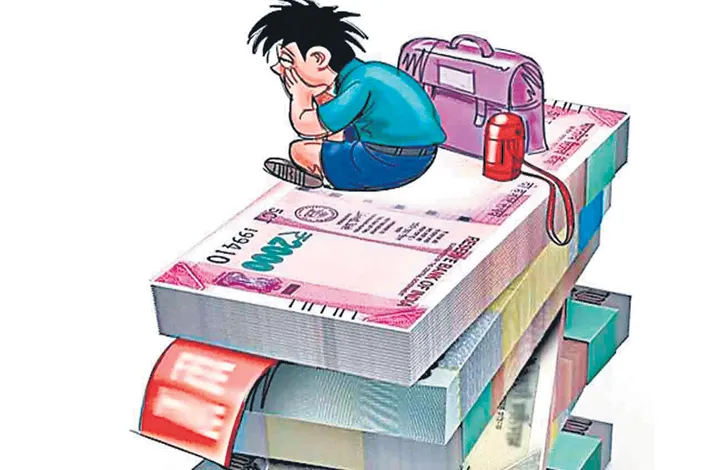
Under the new system, students are now central to the fee payment process. With funds credited to their accounts, the responsibility of paying colleges rests entirely on them. While this may appear empowering, it also increases pressure. Delays in fund disbursal could lead to denial of classes, withholding of hall tickets or coercion for fee payments.
The absence of a clear grievance mechanism has further complicated matters. With multiple stakeholders—government departments, banks and colleges—involved, students often struggle to identify where to raise complaints. This is especially challenging for those from rural and economically weaker backgrounds, who may be forced to borrow money to pay fees upfront.
The shift to DBT was aimed at eliminating intermediaries, but operational gaps have emerged. The absence of clear timelines, tracking mechanisms and monitoring systems has created uncertainty.
Private colleges, which earlier received payments directly from the government, now face irregular cash flows. With funds routed through students, timely fee collection is no longer assured. This affects their ability to manage salaries, infrastructure, utilities and loan repayments. Delays or partial payments could force institutions to borrow, increasing financial stress.
High Court Intervention
The issue has gained legal significance with the High Court intervening. The court observed that GO No. 7 may contradict earlier interim directions, raising concerns about policy coordination. The mention of contempt highlights the seriousness of the matter.
The court’s stay has underscored the need for immediate course correction. Analysts note that without judicial intervention, implementation flaws could have deepened.
Implementation Challenges
Despite aiming to empower students, the government faces major logistical hurdles. Mobilising funds for lakhs of beneficiaries is a significant challenge, and delays in budget allocation can disrupt the payment cycle.
Effective implementation requires seamless coordination between the government, banks and colleges. However, weak communication and monitoring systems have led to confusion. Processes such as eligibility verification, data validation and payment processing depend heavily on digital infrastructure, where lapses can cause delays.
What GO No. 7 Proposes
GO No. 7 introduces a major shift by transferring funds directly to eligible students from SC, ST, BC, minority and differently abled categories, who must then pay their colleges. Institutions have been directed not to pressure students for upfront fees and to adhere to prescribed fee limits.
Student groups have strongly opposed the policy. Leaders argue that it shifts the government’s responsibility onto students, increasing their financial burden. They warn that delays could push poor students away from higher education, especially in professional courses.
Critics also point to past delays in scholarship payments, raising doubts about timely implementation. They demand clearance of pending dues and a rethink of the DBT model to avoid disruption to education.