23 September, 2026 | 3:54 AM


From disinvestment to production: VSP Turnaround
17-12-2025 12:00:00 AM
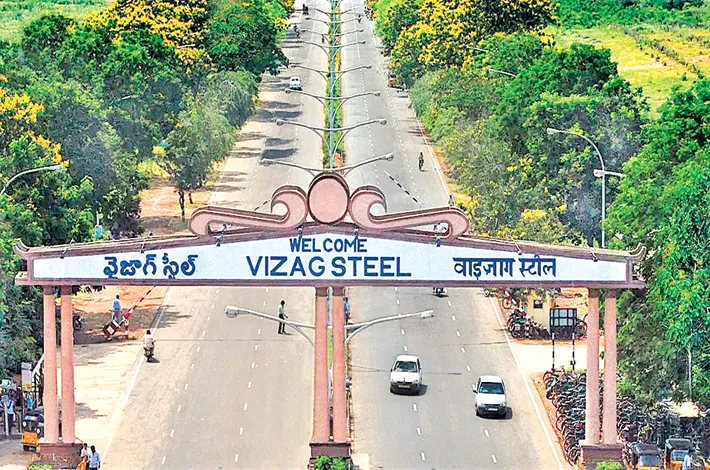
For years, the towering blast furnaces of the Visakhapatnam Steel Plant stood as a paradox, an industrial giant with immense technical capability, yet weighed down by financial distress and policy uncertainty. At one point, Rashtriya Ispat Nigam Limited (RINL), the Central public sector enterprise that operates the plant, was placed on the Union Government’s strategic disinvestment list, triggering widespread protests, political churn and anxiety across Andhra Pradesh. Today, the narrative has dramatically shifted.
On December 14, 2025, RINL recorded the highest-ever single-day hot metal production in its history, 21,012 metric tonnes, crossing 100 per cent of its rated daily capacity. For a plant once described as unviable in policy circles, the number is not just a statistic; it is a statement.
Commissioned in the early 1990s, the Visakhapatnam Steel Plant was India’s first shore-based integrated steel plant, envisioned to leverage proximity to ports for raw material imports and finished steel exports. With an installed capacity of 7.3 million tonnes of liquid steel per annum, VSP grew into a key supplier for infrastructure, railways, construction, shipbuilding and defence.
Yet, unlike several other public sector steel plants, RINL was deprived of captive iron ore mines for decades. This single structural handicap meant higher input costs, exposure to global commodity volatility and sustained pressure on margins. Over time, legacy debt, rising interest burden and working capital shortages compounded the problem, pushing the company into acute financial stress despite its strong technical workforce and infrastructure.
By 2021, the Centre’s decision to consider strategic disinvestment was justified on financial grounds, but it ignited one of Andhra Pradesh’s most intense industrial agitations, with workers, unions and civil society framing Vizag Steel as an emotional and economic lifeline for the region.
The turning point came with the Union Government approving a comprehensive revival and financial restructuring package. The strategy moved away from outright privatisation towards stabilisation and recovery. The package included substantial capital infusion, conversion of certain loans into preference share capital and steps to reduce the interest burden, measures that directly addressed RINL’s liquidity crunch.
Crucially, this financial reset was accompanied by operational focus: restoring blast furnace health, ensuring uninterrupted raw material supply, tightening cost controls and rebuilding production discipline. Confidence among lenders, vendors and employees began to return.
The Andhra Pradesh government also played a consistent supporting role, politically and institutionally, engaging with the Ministry of Steel to underline the plant’s regional and strategic importance.
The results are now visible on the floor. December 2025 saw average hot metal production of about 19,450 metric tonnes per day, nearly 92 per cent capacity utilisation. The record-breaking single-day output capped this upward trajectory.
Steel Secretary Sandeep Poundrik publicly acknowledged the milestone, expressing confidence that RINL could soon sustain 100 per cent average production. Such an endorsement from the Centre marked a sharp contrast to the uncertainty of previous years.
RINL is not merely a production unit; it is one of Andhra Pradesh’s largest industrial employers and a cornerstone of Visakhapatnam’s economy. Ancillary units, logistics, port operations and thousands of indirect jobs are linked to the plant’s fortunes.
The recent performance suggests that Vizag Steel’s challenges were not rooted in technical incapacity, but in policy and financial constraints, once eased, the plant demonstrated its latent strength. As RINL moves closer to full-capacity operations, the journey from disinvestment anxieties to record output stands as a case study in public sector revival.