24 September, 2026 | 10:13 PM


‘Government committed towards stabilizing mirchi prices’
08-01-2026 12:00:00 AM
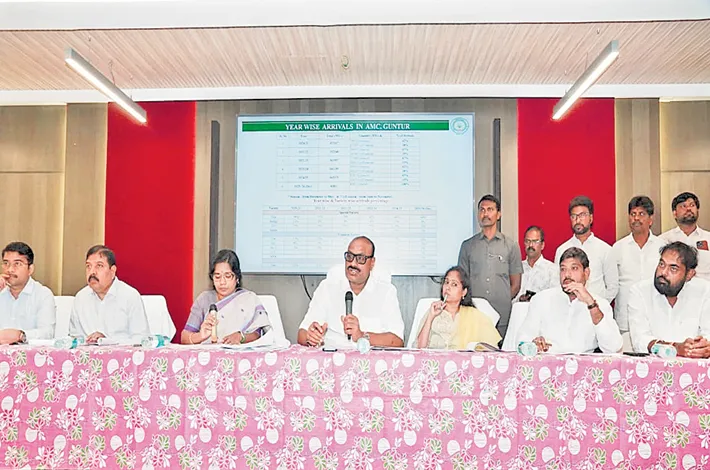
In response to the severe challenges faced by chili farmers last year due to fluctuating prices, Andhra Pradesh Agriculture Minister Kinjarapu Atchannaidu announced on Wednesday a series of proactive measures during a review meeting on the upcoming chili season. The meeting, held at the Agriculture Marketing Office in Guntur, aimed to prevent a repeat of past issues and ensure stable market conditions for producers. The minister emphasized that this year's chili prices appear promising, attributing potential stability to reduced cultivation and lower productivity compared to the previous season.
According to the minister, the support price last year stood at Rs. 11,750 per quintal, while this year's productivity has declined by up to 44%. Cultivation area has significantly dropped from 1.96 lakh acres last year to 1.06 lakh acres this season, with production expected to fall from 6.62 lakh metric tonnes to 5.39 lakh metric tonnes. The crop is anticipated to hit the markets from December through January, with a total storage capacity of 13.88 lakh metric tonnes available across the state.
The minister also addressed market logistics, projecting daily arrivals of 45,000 to 55,000 bags during the peak season, totaling around one lakh bags overall. He pointed out that prices for most chili varieties, except the Teja type, remain optimistic. Additionally, market fees collected last year amounted to Rs. 85.37 crore. To enhance market efficiency, the minister ordered an immediate increase in the number of computer weigh machines, currently limited to 100 units. He stressed that issuing receipts to farmers is mandatory, warning of strict action against non-compliance.
In a key announcement, Minister Atchannaidu revealed that Chief Minister Naidu has directed the sanctioning of loans for chili stored in cold storage facilities this year, aiming to alleviate financial burdens on farmers. The government pledged full support to ensure no economic hardships arise. The minister acknowledged that chili from other states is entering local markets but assured that transactions are being closely monitored to protect local farmers from losses.