21 September, 2026 | 9:13 PM


HAM or Hammer
16-12-2025 12:10:56 AM
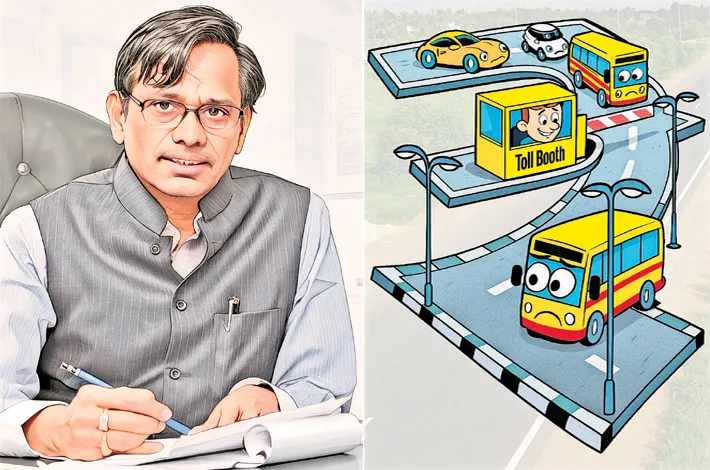
Navigating the pitfalls of Telangana's rural roads initiative
In the landscape of infrastructure development, Telangana's government has boldly ventured into the Hybrid Annuity Model (HAM) for a massive Rs 20,000 crore rural roads project. Announced with great fanfare, this initiative promised to transform rural connectivity, much like the grandeur of a Rajamouli epic film Bahubali. However, as stakeholders now grapple with its fallout, it's crucial to adopt an advisory lens: proceed with caution, reassess strategies, and prioritize fiscal prudence to avoid turning this "HAM" into a financial "hammer" that could batter public coffers and banking stability.
For those unfamiliar, HAM operates as a public-private partnership where bidders inject their own equity, secure loans from banks, and receive partial grants from the government. In return, the government commits to annuity payments over 15 years post-completion, allowing bidders to repay lenders. On paper, it's an attractive proposition—spreading costs and leveraging private investment. But, as advisors in economic policy would counsel, such models demand unwavering trust in governmental repayment mechanisms. In Telangana's case, this trust appears eroded, leading to a tender process that drew zero bids. This no-show isn't just an embarrassment; it's a red flag signaling deeper systemic issues that the administrations must heed.
The government's promotional blitz, replete with glossy images of pristine rural roads evoking an "Arachethilo Vaikuntam" (heaven on palm), was strategically timed for rural elections. It mirrored tactics where virtual promises outshine tangible delivery, a lesson perhaps drawn from political mentors. However, Metro India has warned against HAM, labelling it a "total fraud" that inflates costs for bidders while burdening the public. Under HAM, bidders not only recover their equity but earn returns for 15 years, effectively turning taxpayer money into long-term subsidies for private players. The Builders Association of India echoed this, advocating against the scheme due to its potential for unchecked expenditure.
In such a situation what should the government do? The answer is simple. The Governments should listen to industry experts early. Ignoring such counsel, as seen here, risks not only project delays but also erodes credibility. The silence from small rural contractors—many equipped with machinery and local expertise—speaks volumes. These local players, often relegated to subcontractor roles under out-of-state big contractors, represent a missed opportunity for inclusive growth. Even after 12 years of statehood, this perpetuates a form of economic slavery. Policymakers are advised to integrate local contractors into bidding processes, perhaps through set-asides or joint ventures, to foster equitable development and reduce dependency on external entities.
The tender flop underscores a critical advisory for financial planning: Banks are wary, and for good reason. No institution wants to fund projects that could push them toward "bankruptcy mode." RBI regulations prohibit direct funding for budget-dependent initiatives without a dedicated revenue stream. Here, the government overlooked forming a separate corporation to handle funding, repayments, and interest— a standard practice to insulate projects from budgetary volatility. Rural roads can't bear tolls without villager backlash, leaving annuities reliant on unpredictable state budgets. Banks, drawing from past experiences with a near-bankrupt government surviving on asset sales like land, rightly demand a robust revenue model.
In advisory terms, this is a teachable moment for fiscal authorities. Before launching HAM tenders, conduct thorough due diligence on banking viability. Engage RBI early to align with guidelines, and explore alternatives like viability gap funding only if repayment assurances are ironclad. The government's promise of budget-based repayments over 15 years rings hollow amid fiscal strains, potentially saddling future regimes with insurmountable debt. Public demands are clear: Shift to the Engineering, Procurement, and Construction (EPC) model, where payments come directly from budgets without long-term annuities. This approach, while upfront-cost heavy, avoids the 15-year overhang and aligns with immediate rural needs.
Moreover, the political calculus behind HAM warrants scrutiny and advice against. Speculation abounds that the scheme's allure lay in electoral publicity and potential "benefits" from Rs 20,000 crore projects—commissions, kickbacks, or otherwise, as whispered by industry insiders. When tenders fail, fingers point to advance planning gone awry. Governments are advised to prioritize transparency: Mandate public audits of tender processes and disclose advisor inputs. Holding officers accountable—be they IAS, finance, or project leads—for such oversights could deter future lapses. Without action, public trust erodes further, inviting demands for investigations.
For banks, the advisory is straightforward: Stick to RBI norms and past lessons. Funding HAM without a ring-fenced entity risks non-performing assets, especially in states with asset-sale dependencies. Diversify portfolios away from high-risk public projects unless guarantees are bankable. The broader ecosystem, including consultants and the public, should advocate for reforms. Small contractors, feeling helpless, need platforms—perhaps through associations—to voice concerns without fear.
Looking ahead, time will tell if Telangana pivots. An advisory roadmap: Reissue tenders under EPC, allocate budget tranches transparently, and form a dedicated roads corporation for future HAM viability. This could salvage the project, delivering actual roads rather than photo ops. Ultimately, infrastructure isn't about fanfare but sustainable impact.
By heeding these lessons, Telangana can hammer out a path to genuine progress, avoiding the bankruptcy pitfalls that loom if HAM persists unchecked.
In other words, balance ambition with realism. Governments, consult widely; banks, safeguard liquidity; and the public, demand accountability. With ₹20,000 crores at stake, the choice is clear—opt for models that build roads, not burdens. Failure to adapt could cement a legacy of fiscal folly, hammering home the need for prudent governance in India's development story.
However, reports suggest that Chief Minister Revanth Reddy is very upset that the tenders were prepared without taking the RBI guidelines and ignoring several precautions. The CM is unhappy that despite availability of Advisors, Consultants, Technical, legal, financial experts as well as senior Bureaucrats such as massive lapse had taken place. CM Revanth is very soon fixing the responsibility and take strident action against those guilty.