14 September, 2026 | 1:34 AM


Health dept steps up vigilance against seasonal diseases
14-09-2026 12:00:00 AM
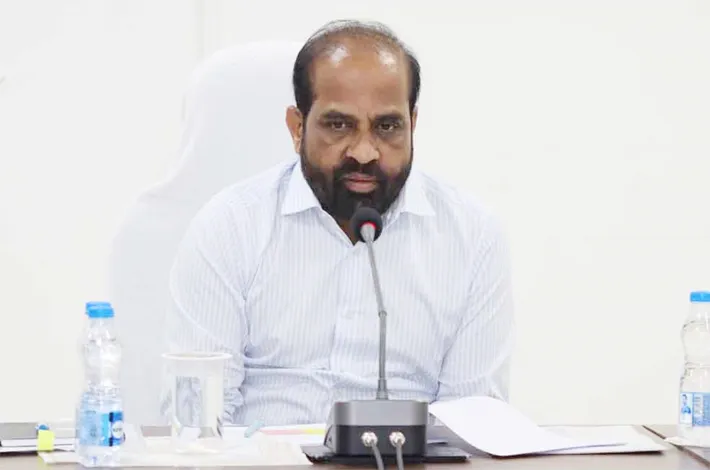
With the onset of rains raising the risk of infectious diseases, the Andhra Pradesh Health and Medical Department has stepped up surveillance and preventive measures across the state.
Health and Medical Minister Satyakumar Yadav has directed officials to closely monitor the situation and take measures to prevent the spread of malaria, dengue, scrub typhus, typhoid and water- and food-borne diseases. In areas reporting dengue cases, officials have been asked to immediately undertake mosquito-control measures and identify places where rainwater has accumulated to prevent mosquito breeding.
Special focus on malaria
As of August 30, Andhra Pradesh had reported 7,895 malaria cases, compared with 6,172 cases during the same period last year. This represents a 27.9 per cent increase in cases. Officials are intensifying mosquito-control measures, eliminating mosquito larvae and identifying people with fever for testing in these areas. In difficult-to-reach tribal areas, special equipment is being used to eliminate mosquito larvae. Additional rounds of spraying will also be undertaken in vulnerable areas depending on the situation. Distribution of 599,367 mosquito nets to eligible beneficiaries has already begun.
Food-borne disease cases in Srikakulam district have increased sharply, from 34 last year to 408 this year. In response, officials will inspect drinking-water sources and undertake water purification measures wherever necessary. Across the state, 930 cases of food-borne diseases have been reported so far this year. Kurnool district has also recorded a relatively higher number of typhoid cases this year. Officials will inspect drinking-water sources and undertake purification measures wherever required.
“Dry Day” every Friday
As part of mosquito-control efforts to prevent dengue and malaria, “Dry Day” will be observed every Friday across the state.People and field staff will inspect containers, discarded articles and other places where water can accumulate in and around homes and ensure that stagnant water is removed.
Eliminating such breeding sites can significantly reduce the chances of mosquito larvae developing.Mosquito-breeding sites will be identified every week and larval-control measures undertaken. Where necessary, biological control measures, including the use of fish in suitable water bodies, will also be employed to control mosquito larvae.
Early detection and immediate action
The Health Department is using dedicated surveillance and information systems to identify areas where infectious diseases are spreading at an early stage. Officials are continuously reviewing data received from districts. If an increase in cases is detected in any area, arrangements are being made to immediately implement appropriate preventive measures. Areas with stagnant water, silted drains, garbage dumps and other potential mosquito-breeding sites will be identified and cleared promptly.