9 October, 2026 | 1:20 PM


Hyderabad snake rescues rise 8–10% annually
07-05-2026 12:00:00 AM
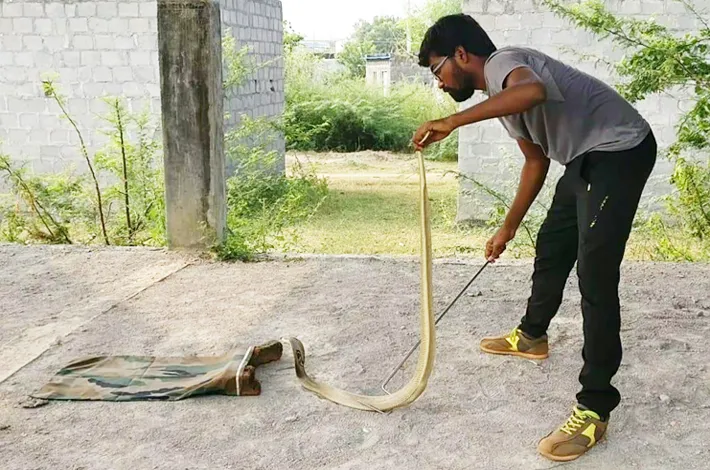
Urban expansion, climate patterns and better reporting driving surge
Metro India News | Hyderabad
A decade-long study has found that snake rescues in Hyderabad have been rising by 8–10% annually, reflecting how reptiles are adapting to rapid urbanisation, land-use changes and improved reporting. The research, conducted by CSIR-Centre for Cellular and Molecular Biology in collaboration with the Friends of Snakes Society, analysed 55,467 rescues between 2013 and 2022 and has been published in Global Ecology and Conservation.
The study shows that human–snake encounters are structured and predictable rather than random. As many as 54% of rescues involved venomous species, highlighting public health concerns. Two species—the spectacled cobra (Naja naja) and the Indian rat snake (Ptyas mucosa)—accounted for 76% of rescues, indicating strong adaptability to dense urban environments.
Researchers identified 232 snake encounter hotspots covering 6.9% of the city, mainly in rapidly developing peripheral areas, pointing to urban expansion and habitat change as key drivers. The study also observed varied activity patterns, with some species active during the day, others at night, and some throughout the day, influenced by ecological traits and human activity.
“This study shows snakes adapting to human-modified environments, using green spaces and drainage networks. Rescue numbers may rise 8–12% annually, highlighting the need to scale up rescue capacity,” said Avinash Visvanathan of FOS.
Seasonal trends show snake encounters peak during the monsoon from July to November, with a high in October, aligning with mating cycles and favourable conditions. Temperature and rainfall significantly influence activity, with warmer weather increasing movement while prolonged rain temporarily reduces it.
“Snakes play a key role in controlling rodent populations. The findings stress the need for sustained rescue operations, public awareness and integrating ecology into urban planning, including protecting green spaces,” said Dr Karthikeyan Vasudevan of CSIR-CCMB. The study highlights the importance of long-term monitoring, noting that rescue data serves as a valuable ecological resource to understand wildlife behaviour and support coexistence in rapidly growing cities.