1 September, 2026 | 3:33 AM


India on track to become world’s third-largest economy: Vaishnav
22-01-2026 12:00:00 AM
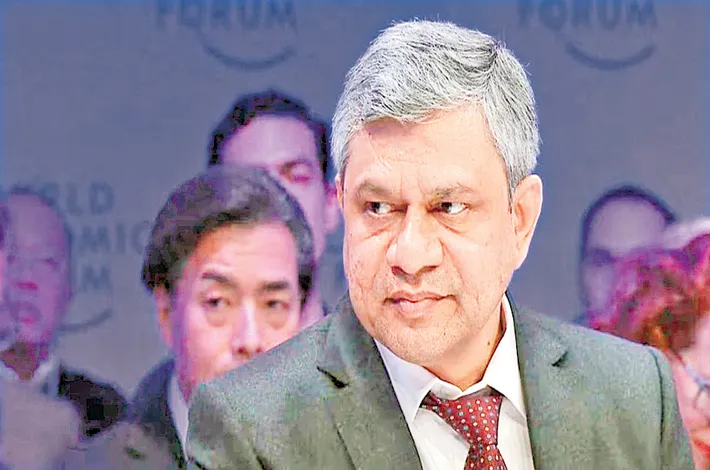
Union Minister Ashwini Vaishnav on Wednesday said India is firmly on track to become the world’s third-largest economy in the coming years, supported by strong fundamentals, ongoing reforms and broad-based growth, despite global economic uncertainties.
Speaking at the World Economic Forum Annual Meeting, Vaishnav said India’s transformation over the past decade has been driven by clear vision and focused execution. He highlighted four pillars underpinning the growth strategy: large-scale public investment in physical, digital and social infrastructure; inclusive growth that benefits all sections of society; a strong push for manufacturing and innovation; and simplification of governance and policy processes.
According to Vaishnav, these measures are expected to sustain real economic growth of 6–8 per cent over the next five years, with moderate inflation of 2–4 per cent, translating into nominal growth of 10–13 per cent. He added that India’s economic gains are reaching the wider population, noting that welfare and social security initiatives have helped lift nearly 250 million people out of poverty, boosting domestic demand and strengthening economic stability. The minister, however, flagged global debt as a key risk. He warned that high levels of debt in advanced economies could create instability in global financial markets, with potential spillover effects. Yet, he emphasized that India’s strong macroeconomic and microeconomic fundamentals make it resilient to external shocks.
Economist Gita Gopinath said India’s emergence as the world’s third-largest economy is almost certain unless a major global disruption occurs. Based on India’s growth trajectory compared with Germany and Japan, she said the milestone could be reached by 2028 or even sooner, depending on GDP revisions. She added that the bigger challenge for India is not rankings but raising per capita income and sustaining reforms to achieve the long-term goal of becoming a developed nation by 2047.
Gopinath praised India’s progress in physical and digital infrastructure and tax reforms but highlighted ongoing structural challenges, including land acquisition hurdles, slow judicial processes, and limited labour market flexibility. She noted that while the government has passed labour reforms, effective implementation and human capital skilling remain critical for labour-intensive growth.
Industrialist Sunil Bharti Mittal said India is well-positioned for sustained growth, citing policy stability and an enabling business environment. He noted that global competition remains intense, as India does not enjoy the same export advantages China had in previous decades. However, he added that India’s large domestic market and expanding trade engagements offer significant growth opportunities.
On high US tariffs, Vaishnav said India has successfully diversified export markets and strengthened its role as a global value-chain partner. Despite external pressures, exports have grown, reinforcing confidence in India’s long-term growth trajectory.