22 October, 2026 | 7:23 AM


Instagram health content decoded- Misinformation in disguise?
15-01-2026 12:00:00 AM
This gap between online wellness trends and real, evidence-based medicine has serious real-world consequences. In traditional clinical settings, doctors depend on thorough diagnosis, peer-reviewed research, and proven treatments.
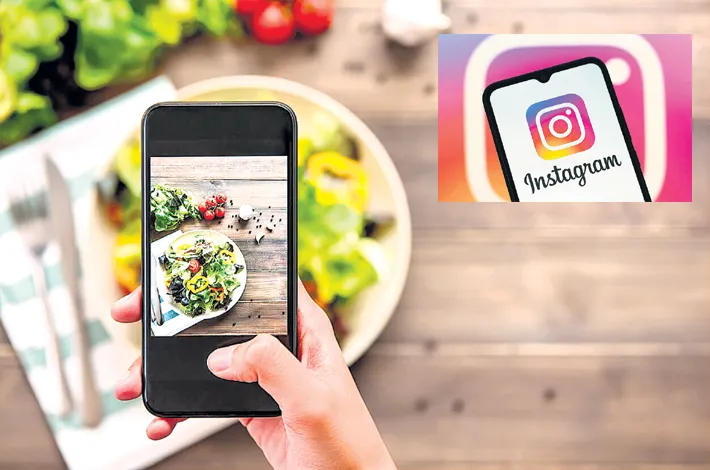
The endless scroll of social media platforms like Instagram is flooded with advice on gut health, hormones, weight loss, and healing. What makes this overwhelming landscape even more confusing — and potentially dangerous — is that much of this content comes from individuals who present themselves as doctors or health experts. This creates a powerful illusion of credibility, blending the language of medicine with the mechanics of viral content, likes, views, and brand deals.
Wellness influencers, including some who claim professional credentials, have long faced criticism for spreading misinformation. Complex scientific concepts are distilled into snappy reels, and nuanced medical advice is replaced with bold, attention-grabbing claims. What tends to go viral is rarely the most accurate information — it's often the simplest, most dramatic version. A key driver behind much of this content is financial incentive: many so-called experts promote supplements, diagnostic tests, skincare products, and specialized diet plans.
The boundary between genuine care and aggressive marketing becomes dangerously blurred. Experts emphasize the urgent need for change. Stronger regulations on health-related advertising online, mandatory and transparent disclosure of paid promotions, and greater accountability from social media platforms are essential steps. Equally important is equipping the public with better tools to distinguish between credible, evidence-based medicine and cleverly packaged influencer marketing.
A renowned sexual health advisor who maintains a significant online presence to counter misinformation, explained her approach to responsible content creation. She prioritizes established scientific facts over rushing to share emerging or preliminary research. In a noisy digital space filled with health claims, she believes it's more ethical to focus on information backed by concrete proof — only promoting what she would personally rely on for her own health. She also described patients discontinuing well-researched medications like birth control pills due to viral detox myths, leading to unintended pregnancies, unmanaged PCOS, or worsening endometriosis. She stressed the feminist importance of such medications in empowering women, while warning against unqualified voices spreading fear without understanding basic pharmacology.
A nutrition expert highlighted how advice online often oversimplifies the human body. She mentioned that many influencers lack a proper clinical background and fail to account for the progression of diseases, etiology, or individual differences and added that they exploit fears or aspirations with overly simplistic solutions, ignoring that physiology is multifactorial. Diets like keto, intermittent fasting, or detox protocols — while sometimes valid in specific medical contexts — require supervision and are not one-size-fits-all. Excessive reliance on herbs like turmeric or ginger as standalone cures for serious conditions can be particularly misleading and risky.
A former senior office bearer of the Indian Medical Association (IMA) reinforced the IMA's strong opposition to unregulated online wellness advice. The association views generalized health recommendations — especially those delving into treatments without considering indications, contraindications, or side effects — as potentially harmful. Individualized care, tailored to conditions like diabetes, kidney disease, or heart issues, cannot be replaced by blanket online advice. He referenced high-profile cases, such as legal action against misleading claims by wellness brands, underscoring the ethical and safety concerns.
This gap between online wellness trends and real, evidence-based medicine has serious real-world consequences. In traditional clinical settings, doctors depend on thorough diagnosis, peer-reviewed research, and proven treatments. On social media, however, success is measured by engagement metrics — the louder, simpler, or more fear-inducing the claim, the better it performs. As a result, ordinary people begin worrying about normal bodily symptoms, purchase unnecessary products, and in some cases, delay or avoid proper medical care in favor of promised "natural" cures.
The discussion concluded with practical advice for consumers: Always verify credentials — at minimum, look for a recognized medical qualification like an MBBS. Before implementing any health tip, conduct basic research, consult reliable sources, and never abandon prescribed medications without professional guidance. In an era of catchy visuals and entertaining misinformation, skepticism and verification remain the best defenses against potentially harmful trends.