11 October, 2026 | 4:26 AM


Karnataka's menstrual leave policy
11-01-2026 12:00:00 AM
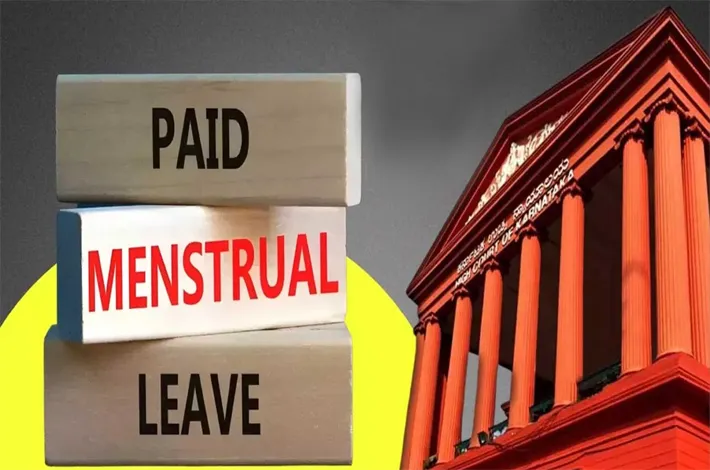
The Karnataka government made headlines in late 2025 by issuing a notification mandating one day of paid menstrual leave per month for women employees across registered industrial establishments, including both permanent and contract workers. Framed as a progressive labor welfare measure, the policy aimed to formally recognize menstrual health in the workplace, positioning Karnataka as a leader in inclusive employment practices. It garnered national and international attention, with many praising it as a step toward greater gender equity and worker dignity. However, the celebration was short-lived.
Soon after the November 20, 2025, notification, the policy faced legal challenges in the Karnataka High Court. Petitions filed by the Bangalore Hotels Association and the management of Avirata AFL Connectivity Systems Limited argued that the state overstepped its authority by introducing such leave through an executive order without legislative backing under existing labor laws.
They claimed the move violated principles of natural justice, as key stakeholders—particularly employer bodies—were not consulted beforehand. The court initially issued an interim stay on December 9, 2025, halting implementation, but recalled it the same day following arguments from the state. As of early January 2026, the policy remains in effect, with detailed hearings adjourned to January 20, 2026. The core issue is not the merit of menstrual leave itself, but the government's legal power to enforce it via notification rather than statute.
The state has defended the policy vigorously, describing it as a welfare-oriented initiative rooted in constitutional provisions like Articles 15(3) and 42, which allow special measures for women and mandate just working conditions. Officials argue it supports women in coping with menstrual health issues without requiring medical certificates, fostering a more equitable workplace. The court has acknowledged the matter's public importance, indicating a thorough examination ahead. For now, Karnataka's ambitious policy hangs in balance between progressive goals and procedural scrutiny.
Menstrual leave in India is not entirely novel, with roots stretching back over a century. As early as 1912, a government school in Kerala permitted female students to take leave during menstruation for annual examinations, allowing them to reappear later—a quiet, practical acknowledgment at a time when the topic was deeply taboo. In independent India, Bihar took a bold step in 1992 by granting two days of special casual leave per month to women employees in state-controlled organizations. This policy, reportedly still in practice today and referenced in bodies like the Bihar Vikas Mission's HR manual, highlights how such measures have quietly persisted in parts of the public sector.
Despite these precedents, national-level efforts have stalled. In 2017, then-Lok Sabha MP Ninong Ering introduced the Menstruation Benefits Bill, proposing four days of paid leave monthly, additional benefits, and grievance mechanisms—but it never advanced. Ering reintroduced a version in the Arunachal Pradesh Assembly in 2022, only for it to be withdrawn. In 2023, parliamentary questions to the Ministry of Health and Family Welfare probed mandatory paid menstrual leave and referenced a Supreme Court PIL comparing menstrual pain to severe conditions.
The ministry's response sidestepped the core issue, emphasizing menstruation as a normal phenomenon manageable with medication and pivoting to unrelated hygiene schemes. This pattern reveals a contrast: while the legislature and executive often deflect or ignore demands for menstrual leave, courts have engaged more actively through PILs and scrutiny.
Private employers have often led where policy lags. Companies like Culture Machine and GoZef pioneered "first day of period" leave without medical proof. Zomato introduced up to 10 days annually in 2020, followed by Swiggy (extending to delivery partners) and Byju's, framing it as part of broader well-being benefits. These initiatives demonstrate that menstrual support can enhance retention and productivity, even without legal mandates—though critics note inconsistencies in application to lower-wage workers. These cases show that legal frameworks alone are insufficient without cultural shifts. Policies thrive when framed as equity rather than charity, boosting productivity and dignity. Stigma, intrusive requirements, or penalties for usage can render even robust laws ineffective.
In India, full implementation of uniform menstrual leave remains unlikely soon, given diverse realities. Yet inaction is not inevitable—progress is incremental. Karnataka's ongoing case could set precedents, potentially influencing national discourse. Ultimately, menstrual leave transcends individual health; it addresses workers' rights, safety, dignity, and equity for half the population. As hearings resume, the outcome may reshape how India balances welfare with workplace dynamics.