17 November, 2026 | 12:03 AM


Navigating Fault Lines
17-11-2026 12:00:00 AM
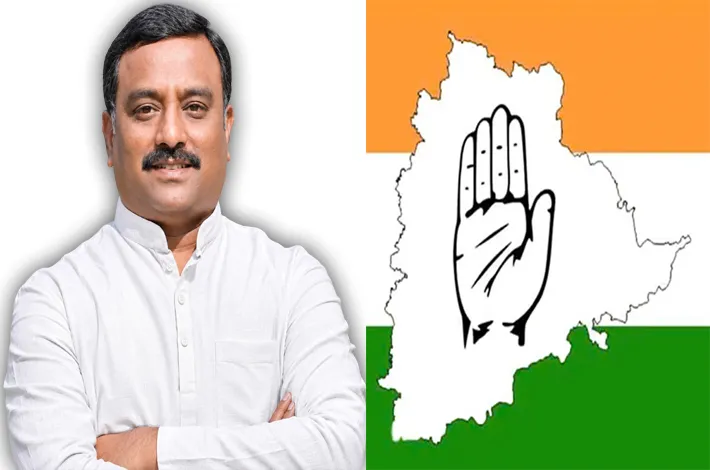
BM Sandeep Takes Charge of Telangana Congress
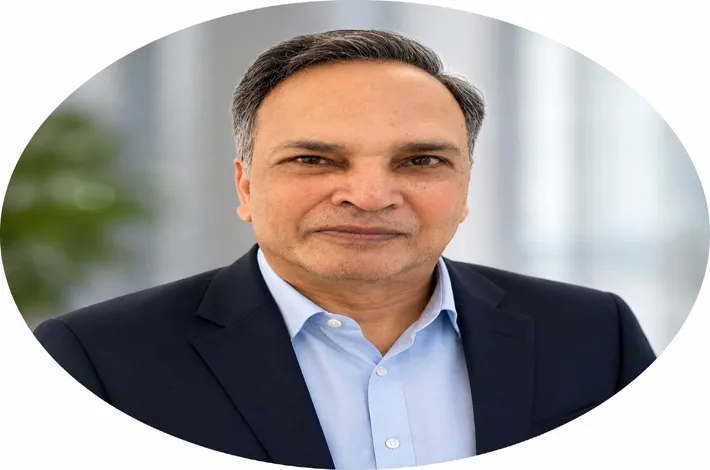
metro india news I hyderabad : The All India Congress Committee has appointed BM Sandeep as its new in-charge for Telangana, replacing Meenakshi Natarajan. The decision, announced by AICC general secretary (organisation) KC Venugopal, places a relatively young organisational hand at the helm of a state where the Congress holds power and which remains a critical source of funds and political prestige for the party. Sandeep’s elevation signals the high command’s preference for a loyal, grassroots-oriented operator over more senior names that had been floated for the role.
Sandeep hails from Chikkamagaluru in Karnataka. He began his political journey in the early 2000s through the National Students’ Union of India and later the Indian Youth Congress. He served as a member of the Chikkamagaluru city council and rose through organisational ranks, becoming national and state convener of the Rajiv Gandhi Panchayati Raj Sangathan. For about eight years he worked as an AICC secretary, handling responsibilities in Gujarat and Maharashtra. He also contributed to the party’s efforts during the recent Kerala Assembly elections, working closely with KC Venugopal. Known for loyalty to the party leadership and a focus on organisational building from the village level upward, Sandeep is seen as a leader who prioritises coordination, mobilisation of workers and quiet delivery over high-profile politics.
Telangana presents a complex assignment. The Congress government led by Chief Minister Revanth Reddy came to power in December 2023 on a wave of anti-incumbency against the Bharat Rashtra Samithi. Nearly three years later, the state unit faces multiple internal and external pressures as Assembly elections approach in roughly two years. Sandeep must strengthen the party organisation while managing relations between the government and the party apparatus.
Internal rivalries form the most immediate challenge. Tensions persist between original Congress leaders and those who joined from other parties, including the TDP and former BRS or BJP figures. Rivalries among ministers, MLAs and MPs have repeatedly spilled into the open, with public disagreements over turf, portfolios and local influence. Complaints about inadequate representation in the Cabinet and government posts continue to surface from various communities and senior leaders who feel sidelined. The filling of nominated posts has become another flashpoint, with delays and perceived imbalances generating dissatisfaction. Recent reports of the AICC seeking detailed assessments of leaders who made public statements against colleagues underline the depth of these frictions.
Sandeep will also have to address the rise of Backward Classes movements. BC communities constitute a substantial share of the state’s population and form an important electoral base. Demands for higher political reservations, better representation in government and proper implementation of related promises have grown louder. Incomplete delivery on several welfare schemes and election promises has added to discontent. Allegations of high corruption and claims that Andhra-based businessmen and contractors receive preferential treatment over local Telangana entrepreneurs have further complicated the narrative of governance.
Anti-incumbency, though not still overwhelming, is beginning to take shape around these issues of delivery, equity and accountability.
Financial constraints present another practical difficulty. Telangana has been an important fund-raiser for the national party, but shortages of resources at the state level can hamper organisational work, campaign preparation and welfare outreach. Possible defections remain a concern in a fluid political environment where both the BRS and the BJP are looking to expand their footprints.
The BRS, despite its 2023 defeat, retains organisational residual strength and a dedicated vote bank in several regions.
The BJP has been steadily increasing its presence and seeks to capitalise on any governance shortcomings or community discontent.
Upcoming MLC elections will serve as an early test of organisational readiness and the ability to manage ticket distribution without deepening internal rifts. Beyond that, Sandeep must help equip the party machinery for a direct contest against the BRS and BJP. This requires disciplined cadre work, clearer communication of government achievements, resolution of local grievances and a credible strategy to retain the diverse social coalitions that delivered victory in 2023.
His organisational experience in Gujarat and Maharashtra, states with their own complex factional and social dynamics, may prove useful. Closeness to KC Venugopal and demonstrated loyalty to the central leadership give him the backing needed to mediate between competing groups. As a younger leader with a record of grassroots engagement, he is expected to focus on strengthening booth-level structures, improving coordination between ministers and party functionaries, and ensuring that nominated posts and organisational positions are filled in a manner that reduces rather than intensifies resentment.
Success will depend on his capacity to act as an honest broker. He must balance the assertive leadership of the Chief Minister’s team with the expectations of senior state leaders, MLAs and community representatives. He needs to push for faster implementation of pending schemes while managing perceptions of favouritism and corruption. At the same time, he has to prepare the party for a high-stakes electoral battle without allowing internal rivalries to weaken its public standing.
The appointment of BM Sandeep reflects the Congress high command’s calculation that organisational competence and loyalty matter more at this stage than long political vintage. Telangana remains both an opportunity and a test. If Sandeep can steady the internal ship, address representation gaps and focus the party on delivery and mobilisation, the Congress will be better positioned to defend its government. Failure to contain factionalism or respond to rising community and governance concerns risks eroding the advantages the party currently holds. The next two years will determine whether this organisational reset delivers the cohesion required for the contests ahead.
Earlier, Congress in charge Meenakshi Natarajan is a true Gandhian, honest to the core. This was the reason why she was at loggerheads with the CM and PCC Chief. May this is the reason why she was shifted saying she will pursue higher education. Now Sandeep being younger and has organisational skills, one has to wait and watch whether he would contain Revanth and other senior leaders are become an yeoman to seniors and Revanth.
Task ahead for Sandeep
Internal rivalries form the most immediate challenge. Tensions persist between original Congress leaders and those who joined from other parties, including the TDP and former BRS or BJP figures. Rivalries among ministers, MLAs and MPs have repeatedly spilled into the open, with public disagreements over turf, portfolios and local influence.
Complaints about inadequate representation in the Cabinet and government posts continue to surface from various communities and senior leaders who feel side-lined. The filling of nominated posts has become another flashpoint, with delays and perceived imbalances generating dissatisfaction. Recent reports of the AICC seeking detailed assessments of leaders who made public statements against colleagues underline the depth of these frictions.
Sandeep will also have to address the rise of Backward Classes movements. BC communities constitute a substantial share of the state’s population and form an important electoral base. Demands for higher political reservations, better representation in government and proper implementation of related promises have grown louder.
Incomplete delivery on several welfare schemes and election promises has added to discontent. Allegations of high corruption and claims that Andhra-based businessmen and contractors receive preferential treatment over local Telangana entrepreneurs have further complicated the narrative of governance.