17 November, 2026 | 12:03 AM


Unlocking ease of living
17-11-2026 12:00:00 AM
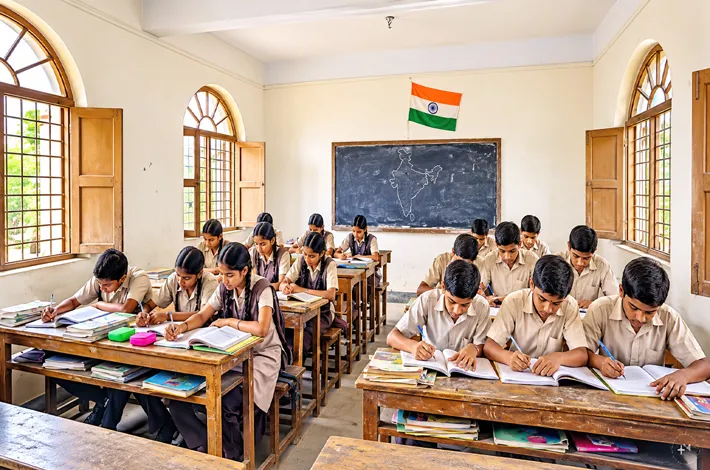
Ease of living extends beyond survival and economic growth, reflecting the everyday quality of life of ordinary citizens. It includes access to clean water
At its core, the ultimate purpose of governance is not merely to exercise authority or keep law and order, but to serve as a catalyst for human flourishing. Legitimacy of the government exists to manage public affairs fairly, protect fundamental rights, and create an environment where every citizen can live with dignity, security, and opportunity. Today, the true benchmark of successful administration is captured in a single, citizen-centric phrase.
Ease of living extends beyond survival and economic growth, reflecting the everyday quality of life of ordinary citizens. It includes access to clean water, quality healthcare, affordable housing and reliable public transport, as well as hassle-free interactions with government services, from obtaining birth certificates to registering businesses and accessing welfare.
Bureaucratic delays affect everyone, even the wealthy, who are equally affected by traffic congestion. Simplifying procedures is therefore essential. Complex rules, repetitive paperwork and multiple approvals impose hidden costs on citizens’ time, money and mental peace. Shorter forms, self-attestation instead of unnecessary notarisation and single-window clearances reduce these burdens. Simpler, transparent processes also limit intermediaries, reduce bribery opportunities, strengthen accountability and restore public trust in institutions.
Simplifying rules and procedures is necessary, but it alone cannot improve ease of living. Equally important is interpreting laws in a citizen-friendly manner. For instance, whether granting permission in Coastal Regulation Zone (CRZ) areas or Full Tank Level (FTL) zones, authorities must adopt a citizen-centric approach. When public authorities have already constructed roads within CRZ areas or bunds and immersion tanks within a lake's FTL limits, denying permissions to ordinary citizens beyond such structures is not prudent. This requires a practical and reasonable interpretation of statutory provisions.
However, ease of living cannot be achieved without addressing global inequality. Economic disparities concentrate wealth among a few, leaving many unable to afford basic necessities. Social inequalities based on gender, race and ethnicity deny marginalised communities equal opportunities and respect. Inequality of opportunity deprives disadvantaged children of proper nutrition, education and healthcare, perpetuating poverty across generations. Climate inequality further exposes vulnerable populations to extreme weather despite their minimal contribution to global emissions.
Technology can help simplify governance and bridge these gaps. E-governance portals have reduced the need for citizens to take leave from work or stand in queues to pay taxes, renew licences and track grievances. Mobile banking and instant digital payments have brought millions of unbanked people into the formal economy, while Direct Benefit Transfers (DBT) ensure subsidies reach beneficiaries without intermediaries or leakages.
Technology also improves access to essential services. Telemedicine connects remote villages with specialist doctors, while digital classrooms and open educational resources provide quality learning opportunities to disadvantaged students. Smartphones have made everyday activities, including navigating traffic, booking public transport and ordering essentials, quicker and more predictable. However, digitisation can create new inequalities. Without affordable internet, smartphones and digital literacy, online services may exclude millions. True ease of living requires inclusive digital platforms, assisted service centres, local-language support and strong data privacy protections.
Governance, procedural reform, equality, and technology are deeply interconnected. Good governance sets the vision of citizen well-being; simplifying procedures removes the friction from daily life; tackling inequality ensures that progress is shared by all; and technology provides the speed and scale to make it happen. When governments harness technology with empathy and simplicity, they do more than streamline administration—they empower every citizen to live a freer, fairer, and more fulfilling life.
(S K Joshi served as Chief Secretary of Telangana from February 2018 to December 2019)