17 November, 2026 | 12:03 AM


TG’s education reset Reform or uncertainty
17-11-2026 12:00:00 AM
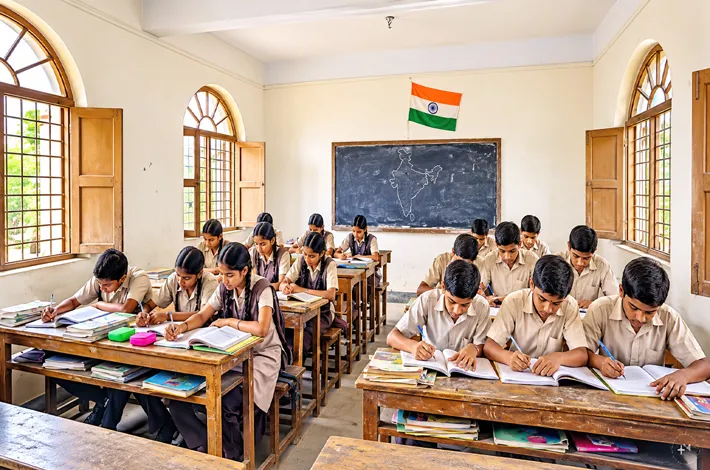
While the proposed 10+2 education structure promises to bring more students into the education system, private junior colleges fear that the transition could disrupt decades-old institutions, threaten livelihoods and leave several implementation questions unanswered.
A reform with unanswered questions
Telangana's proposed education restructuring from 2027–28 aims to reduce school dropouts and ensure every child has access to education up to Class 12. However, private junior college managements, many of which have provided Intermediate education for decades, have raised concerns over the government's preparedness and lack of groundwork. The proposed structure divides education into three stages: primary (nursery to Class 4), secondary (Classes 5–8) and senior secondary (Classes 9–12), bringing Intermediate education under the school system to prevent students from discontinuing studies after Class 10.
This is supposed to be implemented in rural areas to decrease dropouts. But does the government have enough funds to pay salaries and provide the infrastructure it is promising? It would be an injustice to students if the required facilities are not created.
The announcement has come without adequate preparation just like the KBR Park road widening.
Decades of institutional work at stake
Telangana has around 2,500 junior colleges offering pathways to professional courses such as engineering, medicine and CA. Until two years ago, CBSE and ICSE students also joined these colleges after Class 10 to pursue career-specific subjects. College representatives link the state's third position in IIT admissions to its Intermediate education system.
Private junior colleges have been functioning effectively for decades. While everyone is looking at the 10+2 system as a benefit, one must also consider the institutions and families that could be affected.
Students move to junior colleges after Class 10 to choose career-specific subjects. While addressing the nearly 20 per cent dropout concern is important, displacing institutions could affect lakhs of families.
It would be better to recognize private junior colleges as higher secondary institutions offering Classes 11 and 12 independently. Another suggestion: Adding Classes 9 and 10 to existing colleges, allowing them to adopt the integrated structure while retaining their experience and workforce.
A clear roadmap is essential
The government has outlined the broad structure, but details on institutional affiliations, infrastructure and the future of existing junior colleges remain unclear. The final framework is yet to be settled, with their continuation still under consideration. While the government has promised to protect students' interests and staff service and retirement benefits, reforms need a transparent roadmap, consultations and adequate transition arrangements to protect students, teachers, institutions and families from disruption.
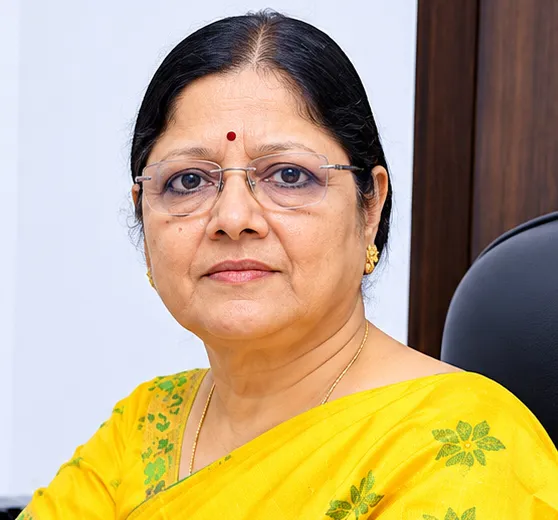
(Asha Murthy, Director,
St Mary's Junior Colleges)