23 October, 2026 | 7:55 AM


Conquering the skies
07-09-2026 12:00:00 AM
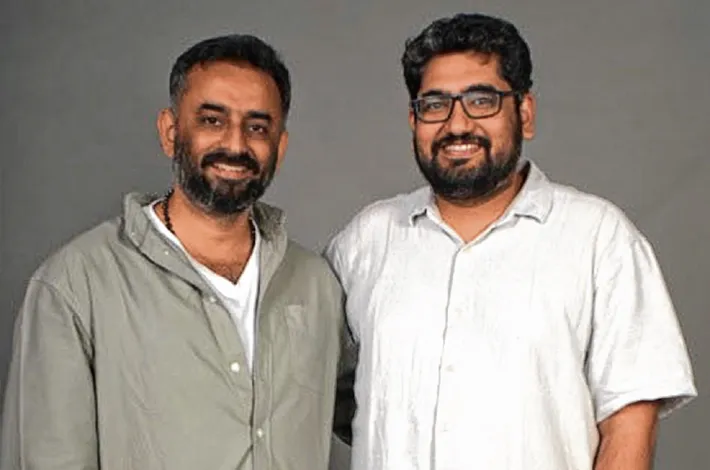
Abhijeet Singh Parmar (co-creator and show runner) and Mehboob Pal Singh Brar (co-producer) went through a journey of four and a half years to make Operation Safed Sagar
Kabir Singh Bhandari
Operation Safed Sagar (OSS), has emerged as one of the breakout shows of the year, and India can finally say that we have a show that not only rivals, but is better than the iconic Top Gun (1986).
The series is about the Golden Arrows Squadron of the Indian Air Force who led an extraordinary historic, high-altitude mission that altered the course of the 1999 Kargil War and made history as the world’s highest air operation.
But behind this hit show is Abhijeet Singh Parmar (co-creator and show runner) and Mehboob Pal Singh Brar (co-producer) journey of four and a half years. In an interaction with The Free Press Journal, both of them talk about their journey, the risks and what this means to them.
When and how did you come up with the idea of OSS?
The idea did not originate with us. Kushal Srivastava, who had served in the Indian Air Force, had been researching the Golden Arrows and the Kargil air war and had originally conceived it as a film. When he brought the idea to us, the war story was there, but what grabbed us were the everyday details of IAF life and the layers that were not necessarily visible in the larger history. The more we researched, the more we realised that two hours could not contain the story.
Did you ever doubt that you might not be able to do justice to the aerial action sequences?
Absolutely. In fact, that was one of our biggest fears. We were attempting something we had never done before, and the aerial combat had to feel convincing not just to a general audience, but to people who had actually flown these aircraft.
After writing the first large draft, we remember looking at the sheer scale of what we had written and thinking, how are we going to execute this? But that doubt became useful. We started treating every difficult aspect of the show as a problem that needed its own solution. The aerial sequences became their own mini project, with years of preparation, real aircraft, cockpit rigs and VFX. We never wanted spectacle for spectacle’s sake. It had to serve the story.