30 September, 2026 | 7:41 PM


Summer triggers blood shortage fears at Vijayawada GGH
02-05-2026 12:00:00 AM
kiranmai tutika | AMARAVATI
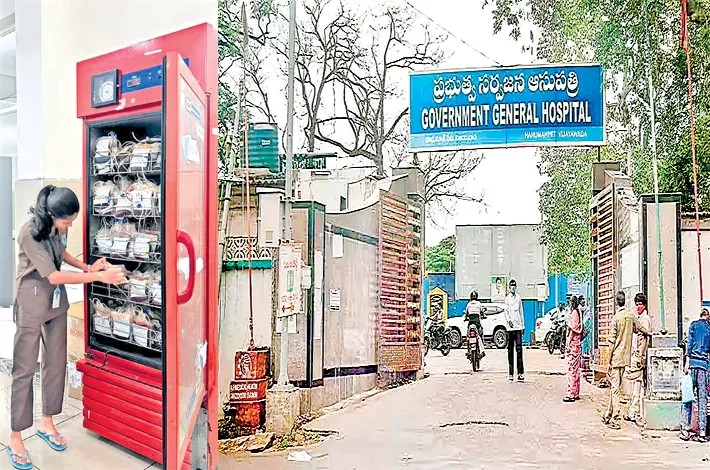
A looming blood shortage is raising concern at the Government General Hospital Vijayawada, as rising temperatures and a sharp decline in donations threaten to disrupt critical medical services. Hospital authorities warn that the existing stock may last barely a week if current consumption patterns continue.
Sources indicate that while the hospital’s blood bank has a storage capacity of nearly 1,000 units, it typically maintains far lower reserves. At present, only about 190 units are available, with daily consumption ranging between 20 and 25 units. This widening gap between supply and demand has intensified pressure on the hospital, especially as voluntary blood donations have dropped significantly in recent weeks.
Officials had anticipated a surge in donations during the season, traditionally a period when political organisations conduct large-scale blood drives. However, this year’s response fell short of expectations. Even external support systems have provided limited relief. Blood banks supported by the National AIDS Control Organisation, which are mandated to share a portion of collected blood with government hospitals, have not been able to bridge the shortfall effectively.
Some assistance has come from voluntary organisations. The Indian Red Cross Society contributed close to 100 units, while Lion Blood Bank supplied around 45 units. Additional support was extended by NTR Trust in Guntur and RIMS Ongole, which together provided over 100 units. Despite these contributions, the shortage remains acute.
Hospital officials attribute the crisis partly to seasonal factors. With colleges closed for summer and fewer institutional drives being organised, the usual donor base has shrunk. “We expected political-related drives to offset the seasonal dip, but that did not happen. If the situation continues, it could impact surgeries and maternal care,” a senior official noted.
The stakes are high, as the hospital handles a heavy patient load. On average, 100 to 120 surgeries are performed daily, and nearly 90 percent of these require blood transfusions. In complex cases, up to 15 units may be needed for a single patient.
With demand steady and supply dwindling, authorities are now appealing to the public and voluntary organisations to step forward urgently, warning that delays in replenishment could force postponement of critical procedures in the coming days.