10 October, 2026 | 11:53 AM


Telangana cracks down on unsafe online food
05-12-2025 12:00:00 AM
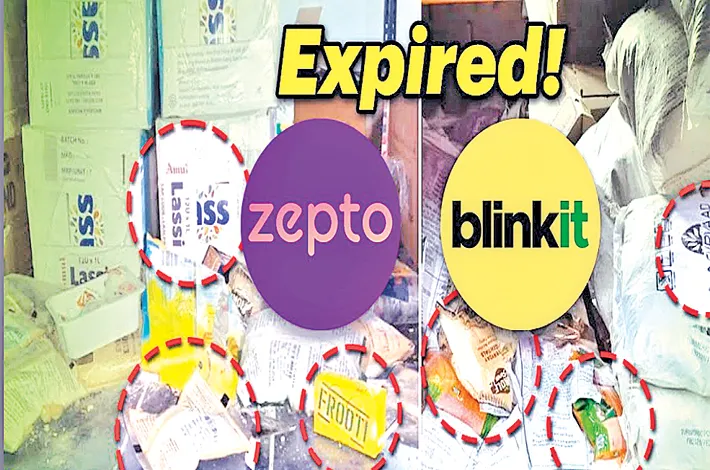
- 76 kg of expired or rotten food and 1,903 misbranded items were seized during Telangana’s statewide raids on 75 e-commerce and quick-commerce warehouses.
- Major platforms including Zepto, JioMart, Blinkit, BigBasket, Zomato, Swiggy, Flipkart, and Amazon were inspected for lapses in hygiene, storage, and labeling.
- 32 improvement notices were issued, and Hotel NH-9 had its license suspended after officials discarded 107.5 kg of unsafe food.
A recent state-wide crackdown on food safety violations in Telangana uncovered 76 kilograms of expired, stale, and rotten food products and 1,903 units of misbranded or misleadingly labelled items, prompting doctors to warn citizens to adopt stricter precautions while shopping online and at home.
The Telangana Food Safety Department conducted a special two-day operation across 75 warehouses, including those linked to major e-commerce and quick-commerce platforms such as Zepto, Reliance JioMart, Blinkit, BigBasket, Zomato, Swiggy, Flipkart, Amazon, and several local distributors. The inspections, held in late November 2025, focused on lapses in storage, hygiene, and labeling amid a rise in consumer complaints regarding poor-quality packaged foods.
On X, the Commissioner of Food Safety posted: “A special drive on warehouses… was conducted. 75 warehouses visited, 98 enforcement and 124 surveillance samples lifted. Seizures: 1,903 units of expired or misbranded food. Discards: 76 kg of expired articles, stale food, rotten vegetables.”
Officials issued 32 improvement notices for violations ranging from unhygienic storage conditions and clogged drains to improper labeling and suspected use of synthetic food colours. One major violator, Hotel NH-9 (The Palace Hotel), had its license suspended after authorities discarded 107.5 kg of unsafe food, including prawns, fish, chicken, paneer, and gobi fry. The outlet will remain closed until final orders.
Labels say a lot
Health experts say that while enforcement is essential, consumers must also take responsibility. Sujatha Stephen, Chief Nutritionist at Yashoda Hospital, stressed that many Indians rely heavily on advertisements and ignore labels.
“People don’t read labels. Expired products often lead to contamination and food poisoning, and patients rarely know which item caused it,” she said.
She pointed out that even everyday grocery items like atta and dal packets can pose risks if expired or mislabeled. Products marketed as healthy—such as diabetic cookies—may still contain 80% maida or artificial sweeteners. Energy drinks and diet sodas, she added, often contain chemicals that may contribute to hormonal imbalance and heart issues.
Dr. Sujatha advised checking ingredients, percentages, serving sizes, expiry dates, and warnings such as “not safe for children” or “not safe during pregnancy,” which are often printed in very small fonts.
Growing gastric issues and food intolerance, she said, are linked to people consuming packaged foods without checking labels—especially when ordering quickly online. With rising e-commerce dependence, stricter enforcement and smarter consumer habits are essential to protect public health.
“No information is passed to the FBO during inspections. Random selections of the warehouses are done. Spices, milk and milk products, and ready to eat foods are the most products that are found expired of date. Oils and Fats containing products were most which are mislabeled,” she added.
Dr Sangeetha FSSAI Commissioner TG