26 September, 2026 | 4:37 PM


The economics of sarpanch elections
02-01-2026 12:00:00 AM
The position of a village sarpanch, being the top public representative, naturally attracts fierce competition. Aspirants see it as a ticket to social prestige, and many go to extreme lengths to secure it. Some sell assets or take heavy loans just to fund campaigns. However, once elected, the pressure to recover these investments often drives sarpanches toward unconventional or even illegal methods of earning, raising concerns about widespread corruption. This year, the cost of winning a sarpanch post has reached unprecedented levels.
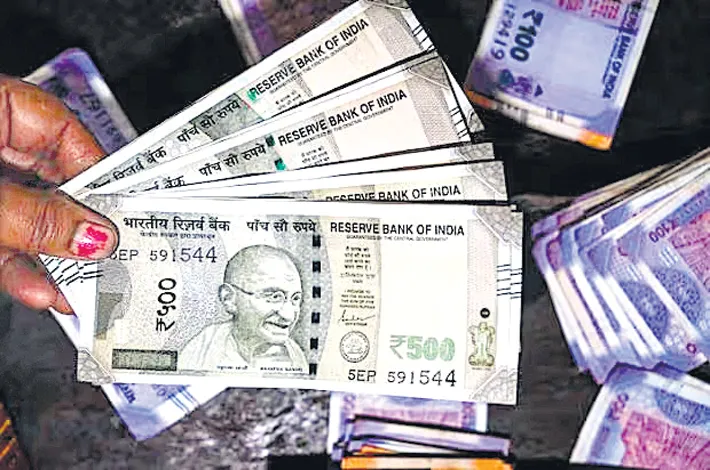
Across the state, elections were recently held in three phases for 12,728 sarpanch seats and 1,12,242 ward member positions. Reports indicate that candidates in smaller villages spent between Rs 20 lakh and Rs 30 lakh, while larger villages saw campaign expenses ranging from Rs 60 lakh to over Rs 1 crore. Overall, state-wide election spending by sarpanch and ward member candidates is estimated to exceed Rs 4,000 crore. Some candidates, facing a cash crunch, sold farmland, plots, and gold to finance their campaigns, while others borrowed heavily to remain competitive. Analysts warn that the sarpanch post is increasingly becoming a pathway to illicit earnings.
Voter turnout has risen compared to previous elections. In the past, votes were sometimes purchased for as little as Rs 500, but this year, the price reportedly went up to Rs 30,000 per vote in some cases. Youth participation was particularly high. Even staunch supporters of candidates who campaigned on development promises demanded financial incentives, forcing candidates to spend more to secure victory.
Candidates employed creative and sometimes dubious methods to woo voters. In Suryapet district, a fish trader candidate issued special tokens promising free fish twice a year to those who voted for him. In another village, elderly residents were purchased at low rates and distributed among households. In Nizamabad district, fake currency notes were reportedly used to influence voters. Such methods were widespread, showing the lengths candidates go to in order to win.
Expenditure often correlates with local resources and population. Villages with granite, sand, soil, or large populations saw candidates spending heavily, anticipating returns from local resources. Even small panchayats with fewer than 250 voters saw campaign spending of Rs 20 lakh for sarpanch victories. Past experiences have discouraged former sarpanches from contesting again, as debts and expenses from previous terms remained unrecovered. Only 1,284 sarpanches were elected unopposed this year, compared to 2,134 in 2019, highlighting increased competition.
Despite massive campaign spending, sarpanches often cannot serve their villages effectively. The government stipend of Rs 6,500 per month barely covers daily expenses. To recoup their investments, many resort to questionable practices. From diverting development funds to charging for basic services, sarpanches are accused of exploiting local resources such as granite, sand, soil, and timber. Allegations also include siphoning funds from welfare schemes, ration cards, housing programs, and even charging fees for birth and death certificates.
Getting official approvals in villages almost always involves payments to the sarpanch. Whether its construction permits, water connections, sanitation projects, road works, dispute resolution, or welfare program distribution, villagers are often expected to pay to get things done. Local industrialists also keep sarpanches satisfied to avoid delays in their operations.
Ultimately, the power to change this system lies with the electorate. Voting for candidates based on money or gifts perpetuates corruption. Citizens need to support capable, development-oriented leaders and avoid being swayed by short-term financial incentives. Metro India hopes that lessons from the 2025 elections will inspire voters in 2026 to elect leaders who genuinely work for the village, without financial manipulation, and hold them accountable for delivering results.