15 October, 2026 | 11:09 AM


When the Elephant in the Court room Cleared Its Throat
23-02-2026 12:00:00 AM
It began, as many serious Indian matters do, in a Court room lobby — that sacred constitutional space where tea is strong, opinions are stronger, and everyone speaks in the tone of someone who has just discovered a landmark judgment.
The temple elephant was the first to sense trouble. With the solemnity of a senior litigant, it lifted its trunk and appeared to ask the question currently troubling many traditional institutions: In the name of fraternity, are my bananas about to be audited? Across the lobby, the temple accountant dropped his calculator. This, in essence, is where India’s ongoing conversation between constitutional morality and dharma has gently — and somewhat awkwardly — arrived.
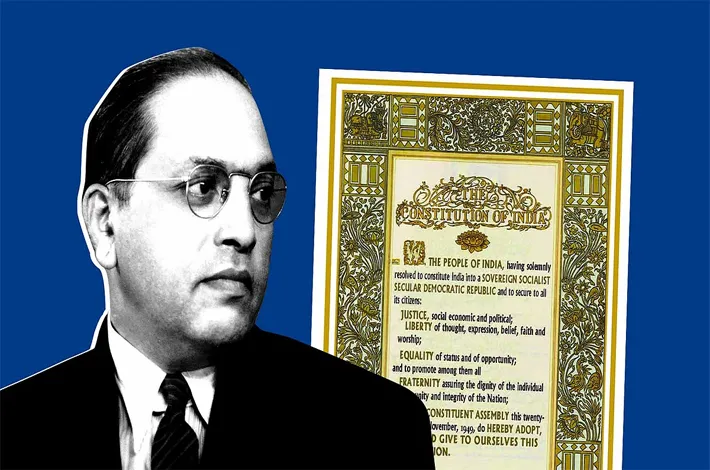
The Constitution of India, guided in large measure by the formidable intellect of B. R. Ambedkar, promises fraternity, dignity, unity, and integrity. Constitutional morality, as originally understood, was meant to keep institutions disciplined, power restrained, and governance civilized. It was not drafted with the immediate intention of supervising elephant nutrition programs.
Yet in recent years, constitutional morality has acquired a certain energetic confidence in judicial discourse, including in matters such as Navtej Singh Johar v. Union of India and Indian Young Lawyers Association v. State of Kerala. While these rulings advanced important conversations on dignity and equality, they have also sparked a quieter, more culturally anxious question: where exactly should constitutional enthusiasm pause to remove its shoes?
Back in the lobby, the elephant and the accountant continue their silent constitutional standoff. Fraternity, everyone agrees, is noble. But in a civilization as intricately arranged as India’s, fraternity cannot reasonably mean that everyone must be treated identically in every context. In a functioning temple ecosystem, roles differ with remarkable clarity. The accountant maintains financial purity with the vigilance of a tax auditor on festival duty. The elephant, meanwhile, contributes to spiritual ambience, crowd management, and the overall happiness index — largely powered by bananas and institutional affection.
If equality is interpreted with excessive literal zeal, we may soon witness reforms nobody requested. The accountant could find himself issued a daily bundle of sugarcane “in the interest of parity,” while the elephant may receive a politely worded notice asking it to submit quarterly compliance reports in triplicate. Neither development is likely to improve constitutional governance, though it may significantly increase confusion in the accounts department.
The Supreme Court, of course, remains the Republic’s final constitutional referee. Its duty to remedy genuine injustice is unquestioned and essential. But India’s constitutional genius has historically lain in calibration — not in choosing between modernity and tradition, but in persuading them to sit on the same bench without filing interim applications against each other.
A jurisprudence that distinguishes clearly between secular mismanagement (where firm intervention is welcome) and core āgamic or denominational determinations (where judicial footwear may need to be respectfully removed) would likely reduce both litigation and lobby blood pressure. Constitutional morality without cultural sensitivity can appear overenthusiastic — like a well-meaning relative rearranging the entire house during a short visit. Dharma without constitutional discipline, on the other hand, can appear resistant to necessary reform. India, being India, requires both — preferably in polite conversation rather than procedural wrestling.
As the lobby slowly empties, the elephant appears cautiously optimistic. The accountant has resumed balancing the universe one ledger at a time. And the Constitution, one suspects, continues to function best when accompanied by that timeless Indian procedural principle:
Before entering a sacred space — or a complicated tradition — it is always wise to knock.
Preferably without issuing a banana audit notice.
- CS Rangarajan BE LLM