23 October, 2026 | 7:12 PM


Aditya, torchbearer of Gen Alpha
29-08-2026 12:00:00 AM
- ■ Six-year-old ignites a national debate on citizen’s rights and Authority
- ■ Handles media conference with a battery of senior journalists with elan
- ■ Proves that he has very insights into basic rights and responsibilities enshrined in the Constitution
- ■ He takes local SP, police officers and questions their unlawful treatment towards his parents
metro india news I patna
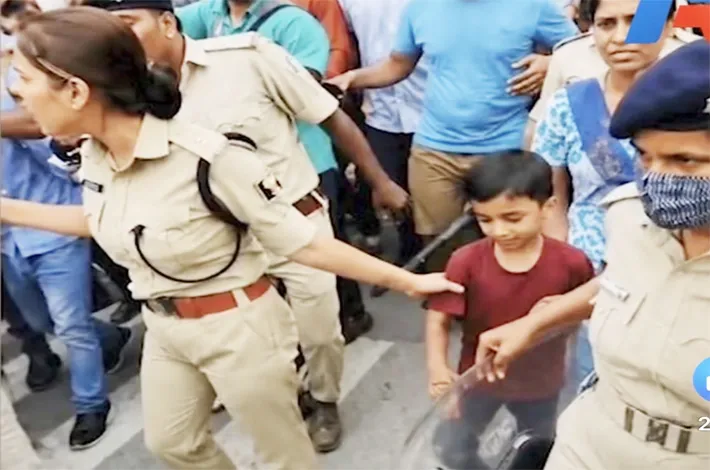
At the heart of Patna’s student protests over alleged irregularities in Bihar Public Service Commission (BPSC) examinations, six-year-old Class 1 student Aditya Kumar has emerged as an unlikely symbol, triggering a wider debate on citizens’ rights, police accountability and constitutional protections.
On August 25, 2026, during demonstrations by job aspirants and students near Dak Bungalow Chowk and the Chief Minister’s residence, Aditya joined the protests with his parents, sometimes carrying a tricolour. Videos captured him questioning police action, demanding the resignation of Chief Minister Samrat Choudhary and the education minister
Aditya later alleged that police took him to Kotwali police station, where he was kept for several hours, separated from his parents and warned against participating in further protests. He also alleged that officers assaulted his parents. Police, however, denied formally arresting or detaining him, stating that he was moved to safety amid unrest involving water cannons and lathi-charge before being reunited with his family.
The episode gained national attention because of Aditya’s reported familiarity with constitutional principles. According to family and media accounts, he carries a copy of the Indian Constitution and has read portions of it. He has spoken about fundamental rights, limits on official authority and the right of ordinary citizens, including the poor, to dignity and legal protection.
Supporters view his words as a reminder that the Constitution belongs to every citizen. Critics, however, have raised concerns about involving a six-year-old in volatile protests and the possibility of adult influence shaping a child’s public statements.
Aditya’s father is a labourer and his mother works as a domestic helper, while the family lives in a rented house in Punaichak. Their modest background has added to the emotional and political impact of the case.
Around August 27–28, Aditya appeared with his parents at the Patna High Court in connection with the alleged police action. The family reportedly sought action over the claimed illegal detention and assault and expressed their intention to raise the matter with Prime Minister Narendra Modi.
Social media clips of Aditya answering journalists’ questions have further amplified the story, while also sparking debate over the ethics of giving such extensive public exposure to a minor.
The case raises broader questions about police protocols when children are present at protests and the distinction between protective removal and detention. Police maintain their actions were intended for the child's safety, while the precise sequence of events remains subject to inquiry.
Whatever the eventual legal findings, Aditya Kumar’s story has brought a fundamental question into focus: whether constitutional promises of equality, dignity and liberty are experienced equally by all citizens.