13 September, 2026 | 2:18 PM


Agritechs race to capture India's berry opportunity
29-03-2026 12:00:00 AM
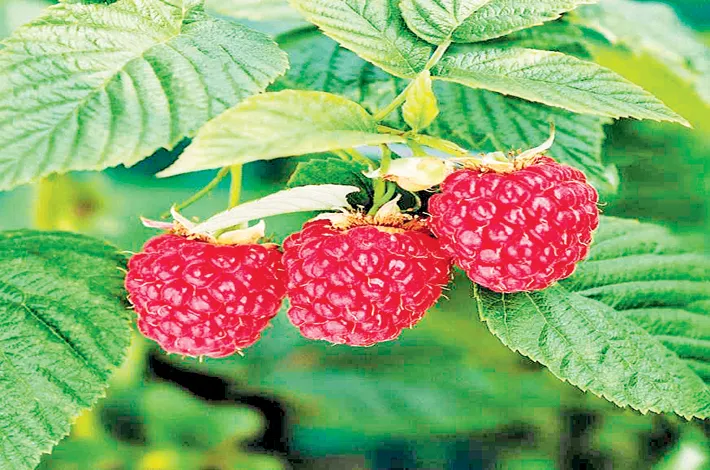
India is one of the world's largest producers and exporters of fruits, with mangoes, grapes, and apples leading the way in international markets. However, a significant untapped opportunity lies in premium seasonal berries and other high-value fruits such as blueberries, raspberries, and strawberries, which command much higher prices when available .Agrotech startups are now stepping in to help Indian farmers diversify beyond traditional exports by adapting global varieties and leveraging technology for year-round production.
Agrotech firms these days see immense potential in cultivating these premium fruits, which are currently limited by seasonality and geography but fetch premium prices in the market. Indian mangoes and grapes remain hot sellers abroad, yet farmers have barely scratched the surface of the global demand for berries and similar delicacies. Companies like Farm2Fam are working closely with farmers to introduce best-in-class varieties sourced from international breeders, adapting them to Indian conditions, and delivering fresh produce directly to consumers. The goal is to make high-quality fruits available every day, moving away from seasonal constraints.
Currently, limited domestic supply and supply chain issues mean many of these premium fruits are imported. Government data shows that India's imports of edible fruits and nuts (including peels, citrus fruits, or melons) rose from about $4.19 billion in FY24 to around $4.74 billion in FY25. Indian consumers are increasingly embracing imported varieties like oranges, apples, kiwis, dragon fruit, and avocados, creating strong domestic demand that local production could potentially fulfill.
Despite this progress, structural bottlenecks in the post-harvest ecosystem continue to limit growth. Experts emphasize the need for substantial investment in warehouses, cold storage, efficient supply chains, dry ports, and "green corridors" to ports. These improvements would extend shelf life for perishable produce and enable faster movement to export markets.
Startups view strawberries and raspberries as just the beginning. Other premium fruits could follow, potentially reducing India's reliance on imports while boosting farmer incomes through higher-value crops. This shift represents a test case for whether technology, better infrastructure, and building trust can transform Indian agriculture from a focus on volume to one centered on value—creating more predictable earnings for farmers and greater choice for consumers.