13 September, 2026 | 2:04 PM


Noida Airport opens, expected to reshape NCR real estate landscape
29-03-2026 12:00:00 AM
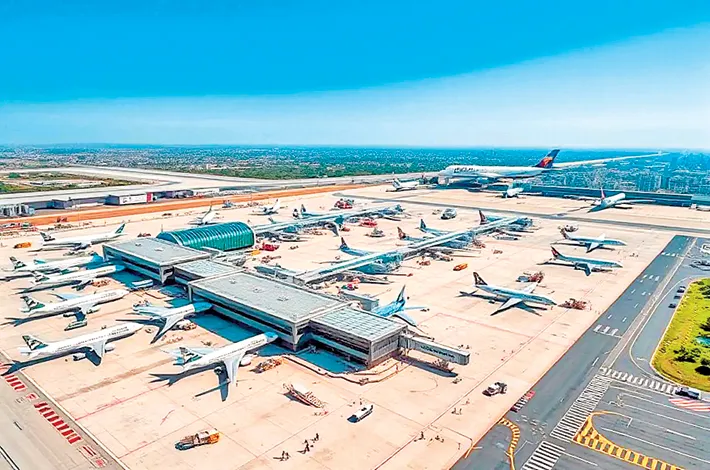
The much-awaited Noida International Airport at Jewar has officially commenced operations on Saturday, marking a significant milestone for the Delhi-NCR region. The development is being viewed as a structural shift that could unlock substantial land value and drive growth towards the eastern and southeastern parts of the NCR metropolitan area. In a discussion on a private channel, a senior executive at Knight Frank India, highlighted the long-term importance of the project. She noted that the region is the second-largest urban agglomeration in the world after Tokyo and had long needed a second airport to ease pressure on existing infrastructure.
According to Knight Frank’s analysis, the Jewar Airport (often referred to as JAR) is expected to act as a counter-magnet to the Indira Gandhi International (IGI) Airport in Delhi. While the impact may not be immediate, it is likely to gradually decentralize growth away from Gurugram and core Delhi towards the Noida-Greater Noida region in the medium to long term. Currently, Jewar Airport has an initial passenger capacity of around 12 million, significantly lower than IGI’s existing capacity of nearly 79 million (with expansion plans targeting 100 million). Full complementing benefits are expected only around 2050, once all phases of the airport are completed.
She noted that land prices along the Yamuna Expressway and the Jewar belt have already seen an uptick, driven largely by speculative investor interest as the airport neared completion. However, the appreciation has been moderate — estimated to be under 10% — and largely post-COVID in nature. In the initial phase, the affordable and mid-segment housing segments are expected to benefit the most, as the airport generates immediate economic opportunities and jobs. Hospitality, retail, and commercial office segments are likely to see stronger traction only in the later phases, closer to 2050, when the airport reaches full operational scale.