20 September, 2026 | 9:45 PM


Anganwadi centres face infrastructure crisis
20-07-2026 12:00:00 AM
Metro India News | MAHABUBABAD
Anganwadi centres across Mahabubabad district are struggling with severe infrastructure deficiencies, affecting the delivery of essential maternal and child welfare services. Despite being jointly run by the Central and State governments, many centres lack basic facilities, while several operate without their own buildings, forcing authorities to manage services under difficult conditions.
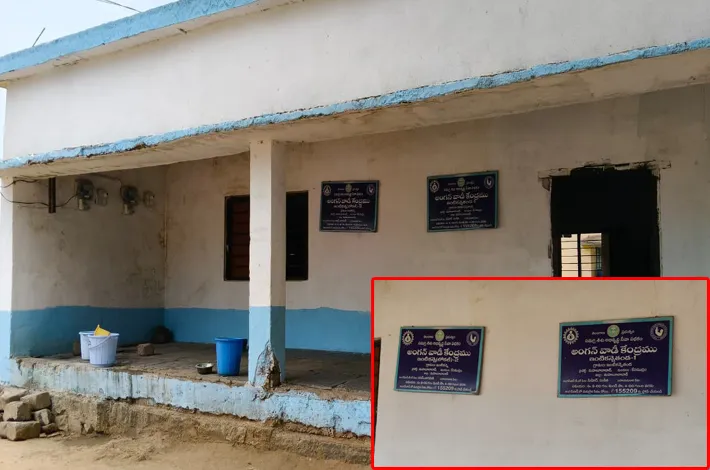
According to official figures, Mahabubabad district has 1,437 Anganwadi centres. However, only 341 centres function from dedicated government buildings. As many as 620 centres operate from schools or other government-owned premises provided free of cost, while another 474 function from rented buildings. In several villages, the shortage of suitable buildings has forced officials to run two Anganwadi centres from a single room, creating inconvenience for children, pregnant women, lactating mothers, and staff. One such example can be seen at the Government School in Intikanne village of Mahabubabad district, where two Anganwadi centres are being operated from a single classroom.
The district's Anganwadi network serves around 39,068 children, 3,738 pregnant women, and 3,817 lactating mothers through nutrition programmes, pre-school education, health awareness, and other welfare initiatives. However, inadequate infrastructure has emerged as a major obstacle in delivering these services effectively.
Officials and workers say more than 1,000 Anganwadi centres require urgent repairs. Basic amenities are also missing in a large number of centres. Around 343 centres do not have access to safe drinking water, while 645 lack proper electricity facilities. Toilet and sanitation facilities are absent in 767 centres, making it difficult for children and beneficiaries to use the premises comfortably.
Space constraints have further worsened the situation. In many centres, educational activities, storage of nutrition supplies, and administrative work are all carried out in the same small room. Workers are forced to store materials alongside children attending pre-school sessions, leaving little space for learning or recreational activities. In villages where dedicated buildings or rental accommodation are unavailable, two Anganwadi centres are being merged and operated from a single room. This has resulted in two teachers, two helpers, children from both centres, and beneficiaries sharing the same limited space, affecting the quality of services and creating overcrowding.
Although electricity connections were recently provided to several Anganwadi centres, workers allege that many buildings were left without fans and lights even after power supply was sanctioned. As a result, children and staff continue to face uncomfortable conditions, particularly during the summer months.
Residents and Anganwadi workers have urged the government to take immediate steps to strengthen infrastructure across the district. They have demanded the construction of dedicated buildings for every habitation, along with the provision of drinking water, electricity, toilets, adequate classroom space, and other essential facilities. They believe that improving infrastructure is crucial for ensuring the effective implementation of maternal and child welfare programmes and providing a safe, child-friendly environment for beneficiaries.