22 September, 2026 | 4:07 AM


Arnab's U-Turn
21-12-2025 12:00:00 AM
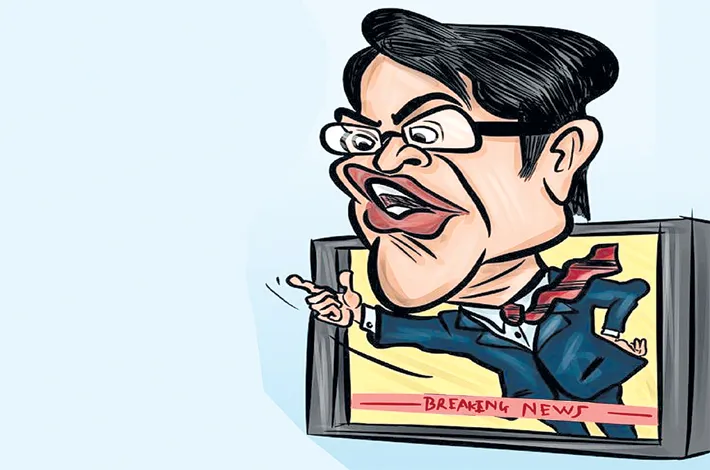
From BJP ally to fierce critic of NDA Government
The fallout is palpable. BJP supporters express discomfort, with some viewing it as betrayal, while opposition figures and neutral observers hail it as overdue journalism
Taking on NDA for a change
- Delhi air pollution crisis: Slammed the Centre for neglecting a severe public health emergency.
- Parliamentary priorities: Criticised Parliament for renaming schemes instead of debating hazardous AQI levels.
- Missing ministerial accountability: Questioned the absence of key ministers during the pollution emergency.
- VB-G RAM G / MGNREGA revamp: Objected to the rushed passage and removal of Gandhi’s name.
- Environmental governance: Warned that Aravalli-related decisions could worsen dust and air pollution.
- Elite disconnect: Targeted lavish political lifestyles amid widespread public suffering.
In a stunning development that has sent shockwaves through India's political and media landscape, Arnab Goswami, the firebrand anchor of Republic TV long viewed as a staunch supporter of the Bharatiya Janata Party (BJP)-led National Democratic Alliance (NDA) government, has launched a series of blistering attacks on the Centre. This perceived U-turn, particularly evident in mid-December , centers on the government's handling of Delhi's severe air pollution crisis, parliamentary priorities, and broader accountability issues. What was once seen as unwavering alignment with Prime Minister Narendra Modi and the BJP has morphed into pointed criticism, prompting speculation about motives ranging from genuine public outrage to strategic TRP boosts.
The shift became unmistakable during Republic TV's coverage of Delhi's toxic smog emergency. As the Air Quality Index (AQI) in the national capital soared into the "severe" and "hazardous" categories—peaking above 460 in mid-December 2025, with some stations hitting emergency levels—Goswami spearheaded the #NOTAForAQI campaign. This movement urges citizens to consider voting "None of the Above" (NOTA) if politicians fail to prioritize clean air, framing pollution as a greater health threat than even the COVID-19 pandemic. In heated debates, Goswami demanded Prime Ministerial intervention, questioned the absence of Environment Minister Bhupender Yadav, and accused the government of neglect while Parliament focused elsewhere.
A viral clip captured Goswami's outrage over parliamentary proceedings: "They ran Parliament for 48 hours just to rename a scheme but had no time to discuss AQI and air pollution." This referred to the contentious passage of the Viksit Bharat Guarantee for Rozgar and Ajeevika Mission (Gramin) (VB-G RAM G) Bill, which replaced the Mahatma Gandhi National Rural Employment Guarantee Act (MGNREGA). The bill, passed amid opposition walkouts and protests in the Winter Session ending December 19, 2025, guaranteed 125 days of rural employment but drew fire for removing Gandhi's name and allegedly diluting the original scheme's protections. Goswami's rebuke highlighted misplaced priorities as Delhi choked under smog equivalent to smoking dozens of cigarettes daily, affecting millions with respiratory illnesses.
This criticism extended beyond pollution. Goswami called out "missing ministers" in the Modi government during the air emergency and slammed lavish lifestyles of BJP leaders, including a reported Rs 70 lakh fireworks display at an Indore wedding amid public suffering. He also targeted a Supreme Court order redefining Aravalli hills, warning it could exacerbate dust pollution by opening areas to mining. Such broadsides mark a departure from Goswami's historical role as a vocal defender of the NDA, often amplifying government narratives on national security, Hindutva, and anti-opposition rhetoric.
Observers have dubbed this a "sudden U-turn," with netizens and analysts expressing surprise. A report noted public applause for what some call "bold journalism," while others remain skeptical. Goswami's past—marked by accusations of bias toward the BJP, including uncritical coverage and proximity to ruling party figures—makes this pivot noteworthy. Critics point to previous instances where he avoided robust scrutiny of the government, contrasting sharply with his current demands for accountability, including calls to reopen Parliament for an AQI debate.
The timing aligns with escalating public frustration. Delhi-NCR's air quality remained dire throughout December 2025, with stubble burning, vehicular emissions, and industrial sources contributing to a thick smog blanket. Despite Stage IV Graded Response Action Plan (GRAP) measures like construction bans, enforcement faltered, and inter-state blame games persisted. Opposition parties, including Congress and AAP, amplified demands for discussion, but the Winter Session adjourned sine die without substantive debate on pollution, prioritizing bills like VB-G RAM G.
Republic TV claims impact: Following intense coverage and the #NOTAForAQI viral push—encouraging user videos sent to a dedicated WhatsApp number—Parliament reportedly agreed to debate the AQI crisis, though details remain limited. Goswami's one-liners and confrontations with BJP spokespersons, including grilling Delhi leaders, have resonated online, with the hashtag trending and clips garnering millions of views.
What drives this change? Theories abound. Some attribute it to genuine concern over a "national health emergency" affecting 30 crore people in northern India. Others suggest falling TRPs or internal pressures prompted a sensational pivot. A few speculate evolving dynamics within pro-government media, especially as pollution hits urban middle-class voters—a key BJP base. Goswami has previously deviated on regional issues, like the Citizenship Amendment Bill due to Assamese identity, but this sustained central government critique feels unprecedented.
The fallout is palpable. BJP supporters express discomfort, with some viewing it as betrayal, while opposition figures and neutral observers hail it as overdue journalism. X (formerly Twitter) buzzes with reactions: parody accounts joke about "godi media" anchors "choking" on pollution, and users urge saving Aravallis through activism.
Ultimately, Goswami's U-turn underscores deeper fissures. When a perceived loyalist like him blasts the NDA for "disconnect" and prioritizes public health over political optics, it signals mounting pressure on the government. As #NOTAForAQI gains traction, forcing partial responsiveness, the question lingers: Is this a fleeting outburst or the start of broader media scrutiny? For millions breathing toxic air, the hope is that it translates into action—stricter enforcement, cross-party solutions, and policies mirroring successes like China's emission cuts. Otherwise, clean air risks remaining a hashtag, not a reality.