22 September, 2026 | 3:30 AM


Govt has killed the soul of MNREGA, says Sonia Gandhi
21-12-2025 12:00:00 AM
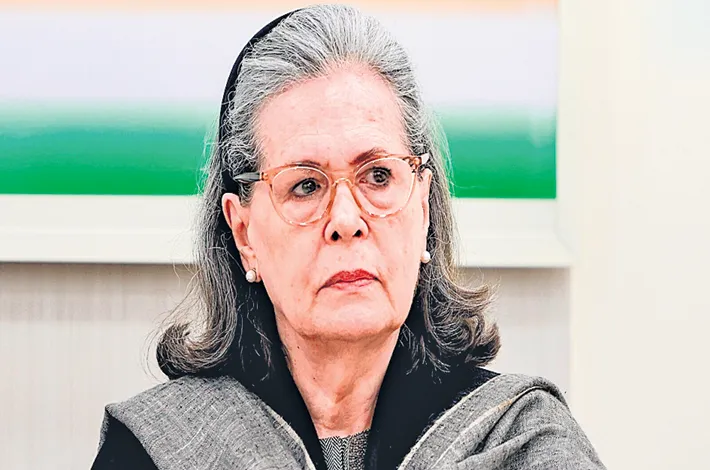
In a fiery broadside that echoed through the corridors of Indian politics, former Congress president Sonia Gandhi unleashed what she termed a "surgical strike" against the Narendra Modi-led government on Saturday, accusing it of not only stripping Mahatma Gandhi's name from the iconic rural employment scheme but also eviscerating its core essence. "Modi Govt not only removed Gandhi Ji’s name but also killed the very soul of MNREGA," Gandhi declared in a statement that quickly went viral on social media, galvanizing opposition ranks and sparking widespread debate.
The controversy erupted amid reports that the Union Cabinet had approved a bill to revamp the Mahatma Gandhi National Rural Employment Guarantee Act (MGNREGA), a flagship program launched in 2005 under the United Progressive Alliance (UPA) government headed by then-Prime Minister Manmohan Singh. Sources within the government indicated that the proposed changes include renaming the scheme to "Pujya Bapu Gramin Rozgar Guarantee Yojana" or a similar variant, effectively dropping "Mahatma Gandhi" from its title. The bill also aims to increase the guaranteed workdays from 100 to 150 in certain regions, introduce skill development components, and integrate technology for better transparency. However, critics argue these alterations mask a deeper agenda to dilute the program's welfare-oriented spirit and rebrand it for political gain.
Gandhi's remarks, shared widely on platforms like X (formerly Twitter), underscored her view that the rename is a deliberate assault on the legacy of India's independence movement. She announced that "crores of Congress workers will lead the fight" against what she portrayed as an ideological erasure. Posts from users such as Rohitash Mahur and Ankit Mayank amplified her words, with one viral video clip garnering over 36,000 views in hours. "This is not just about a name; it's about undermining the rights of the rural poor that MNREGA enshrined," Gandhi reportedly said, invoking the scheme's role in providing a safety net during economic downturns, including the COVID-19 pandemic.
The MNREGA, often hailed as one of the world's largest employment guarantee programs, was designed to offer 100 days of wage employment per year to rural households, focusing on unskilled manual work like building roads, ponds, and irrigation systems. It has been credited with lifting millions out of poverty and empowering women in rural areas, where female participation stands at over 50%. Under the Modi administration, however, the program has faced persistent scrutiny. Budget allocations have fluctuated, with critics pointing to delays in wage payments and reduced funding in real terms. In the 2024-25 fiscal year, the allocation was Rs 86,000 crore, down from peaks during the pandemic, though the government insists it has digitized processes to curb leakages.
Congress leaders swiftly rallied behind Gandhi's critique. Party general secretary Priyanka Gandhi Vadra, speaking at a protest in Delhi, labeled the move a "bid to kill MGNREGA," highlighting three key changes: the name alteration, potential restrictions on work types, and increased bureaucratic oversight that could exclude vulnerable groups. "Why remove Mahatma Gandhi's name? Is it because the BJP cannot stomach his ideals of non-violence and equality?" she questioned in Parliament earlier this week. Rahul Gandhi, the Leader of Opposition in the Lok Sabha, echoed these sentiments on social media, calling it an "insult to the Father of the Nation" and accusing the government of prioritizing symbolism over substance.
The Bharatiya Janata Party (BJP) dismissed the opposition's outcry as politically motivated. Rural Development Minister Giriraj Singh defended the revamp, stating that the new name honors "Pujya Bapu" – a reverential term for Gandhi – while modernizing the scheme to align with India's aspirational goals. "This is not erasure; it's evolution. We're expanding benefits and ensuring efficiency," Singh told reporters. He pointed to the addition of skill training modules, which could link workers to urban job markets, as a progressive step. Government sources also noted that the rename follows a pattern of rebranding UPA-era initiatives, such as the Aadhaar-linked payments system, to reflect the current administration's vision.
Opposition parties beyond Congress joined the fray. The Trinamool Congress (TMC) termed the plan "an insult to Mahatma Gandhi," with West Bengal Chief Minister Mamata Banerjee warning that it could lead to centralized control over state funds. In Parliament, heated exchanges ensued, with Congress MP K.C. Venugopal accusing the Modi government of being a "master at renaming schemes" to grab credit for others' work. Analysts suggest this reflects a broader ideological battle, where the BJP seeks to distance itself from Congress legacies while promoting its own narrative of development.
The timing of the bill's approval, just ahead of the winter session's end, has fueled speculation about electoral motives. With assembly elections looming in several states next year, rural distress remains a flashpoint. A recent survey by the Centre for the Study of Developing Societies indicated that 60% of rural voters view MNREGA as crucial, yet only 40% report timely payments. Economists like Jean Drèze, a key architect of the original act, have warned that renaming without addressing ground-level issues is "cosmetic" and risks alienating the program's beneficiaries.