22 September, 2026 | 5:53 PM


Bail denial to Umar Khalid and Sharjeel Imam- Controversial verdict amid prolonged detention
08-01-2026 12:00:00 AM
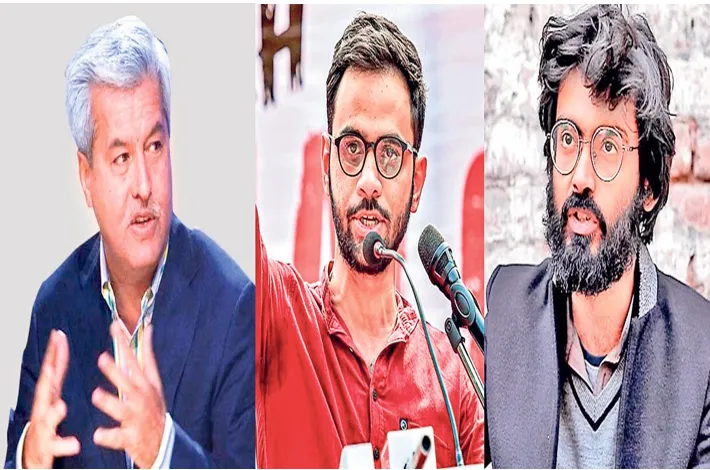
Flaws in the verdicts as per Dushyant Dave:
- The court wrongly relied on a three-judge bench precedent (Union of India v. Najib) while ignoring its own recognition that even under stringent laws like UAPA or TADA, prolonged detention (here over five years) jeopardizes liberty when trials are unlikely to conclude soon.
- Dave argued that the judges conducted a "mini-trial" in a 147-page judgment, which is impermissible at the bail stage.
- He contended that mere words, speeches, WhatsApp messages, or protest activities cannot equate to terrorist acts involving bombs, firearms, or direct causation of death/damage, as required under Section 15 of UAPA.
- Notably, Imam was already in custody before the riots began, and Khalid was not in Delhi during the violence — facts Dave said the court failed to adequately consider.
- Dave criticized the bench for inconsistency in applying precedents, noting that bail is the rule and jail the exception, especially when speedy trial is part of Article 21 rights.
On January 5, 2026, the Supreme Court of India delivered a highly anticipated judgment in the 2020 Delhi riots "larger conspiracy" case, denying bail to activists Umar Khalid and Sharjeel Imam. The two have been in pre-trial detention for over five years under the stringent Unlawful Activities (Prevention) Act (UAPA). In contrast, the court granted bail to five other co-accused — Gulfisha Fatima, Meeran Haider, Shifa-ur-Rehman, Mohd. Saleem Khan, and Shadab Ahmed — citing differences in their alleged roles.
The bench, comprising Justices Aravind Kumar and N.V. Anjaria, held that the prosecution material established a prima facie case against Khalid and Imam, describing them as "alleged masterminds" who exercised "command authority" and managerial responsibility. The court emphasized a "hierarchy of participation," distinguishing their central and formative roles from the more subsidiary or facilitative involvement of the others. It also clarified that "terrorist acts" under UAPA do not require actual physical violence but can include actions that threaten national security, public order, or economic stability through other means, such as planning and mobilization.
The judgment rejected arguments based on prolonged incarceration, stating that lengthy pre-trial detention cannot serve as a "trump card" to override UAPA's strict bail restrictions. The court allowed Khalid and Imam to reapply for bail after one year or upon completion of the examination of protected witnesses, whichever occurs earlier. This outcome has sparked intense debate about judicial consistency, the application of UAPA, and the protection of personal liberty under Article 21 of the Constitution.
In a special interview on a private news channel, senior advocate and former Supreme Court Bar Association president Dushyant Dave sharply criticized the verdict. Dave described the decision as "completely wrong," arguing that Khalid and Imam were entitled to bail under constitutional protections, UAPA provisions, and multiple Supreme Court precedents. He also pointed to broader systemic issues, suggesting that judges increasingly hesitate to grant bail in sensitive cases, particularly those involving minority communities or perceived challenges to the establishment. He contrasted this with instances where others, including convicted individuals with political influence, received favorable treatment, such as repeated paroles.
While acknowledging that judges can err in good faith, Dave called the judgment "perverse" and flawed in both fact and law. He suggested it deserves review or a curative petition before a larger bench. The verdict has drawn criticism from human rights groups, opposition leaders, and international observers, who view it as emblematic of concerns over the use of UAPA against dissenters and the erosion of safeguards for personal liberty.
The case stems from the February 2020 northeast Delhi riots, which killed 53 people amid protests against the Citizenship Amendment Act (CAA). Police allege a larger conspiracy, while defenders maintain the protests were peaceful and the violence was provoked by other factors. The denial of bail leaves Khalid and Imam facing uncertain futures, with Dave expressing pessimism about their near-term release. The ruling underscores ongoing tensions between national security imperatives and fundamental rights in India's judicial landscape.