23 October, 2026 | 10:11 AM


Blood & noise, but barely any soul
09-05-2026 12:00:00 AM
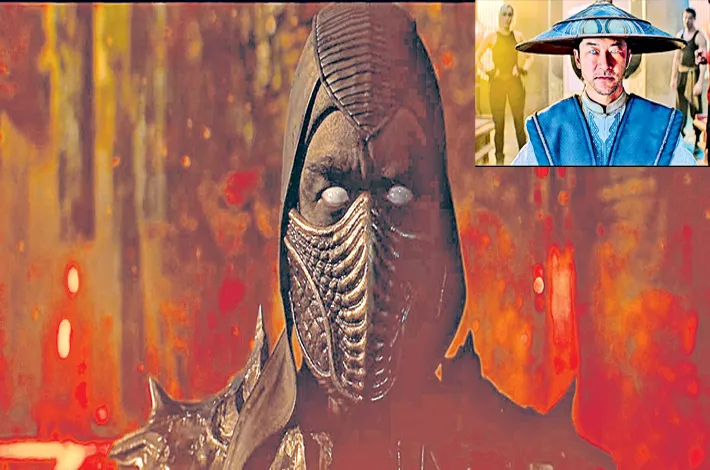
- Title: Mortal Kombat II
- Director: Simon McQuoid
- Cast: Karl Urban, Adeline Rudolph, Jessica McNamee, Josh Lawson, Ludi Min, Mehcad Brooks, Tati Gabrielle, Lewis Tan
- Where: In theatres
- Rating: HH
Troy Ribeiro
Cinema has long discovered that nostalgia can survive almost anything, including questionable dialogue, chaotic mythology, and people exploding into decorative chunks of flesh. Mortal Kombat II banks heavily on that resilience and, to its credit, finally delivers the tournament the previous film spent two hours teasing without payoff.
Directed by Simon McQuoid, the sequel moves past much of the heavy exposition that divided viewers of the 2021 film. This time, Earthrealm’s fighters are thrown directly into combat as Shao Kahn threatens conquest with all the subtlety of a nightclub bouncer carrying a medieval hammer. The film moves faster and wastes little time disguising the fact that its story exists largely to connect one gloriously brutal fatality to the next.
That proves both its strength and weakness.
There is undeniable energy in watching the franchise embrace its own absurdity. The action is relentless, the gore remains gleefully excessive, and the film occasionally stumbles into genuine fun whenever it stops explaining realms, prophecies, and magical trinkets nobody really cares about. Yet beneath the noise lies a strangely hollow experience.
Despite endless combat, few fights carry emotional stakes, and the choreography often feels choppy rather than exhilarating.
Actors’ Performance
Karl Urban brings a welcome layer of self-aware swagger as Johnny Cage, a washed-up action star thrown into genuine combat. His sardonic energy gives the film much-needed personality. Jessica McNamee and Mehcad Brooks remain dependable, while Hiroyuki Sanada once again lends gravitas to material far sillier than his performance deserves.
Music and Aesthetics
The film oscillates between striking video game imagery and bargain-bin fantasy excess. Neon-lit arenas and brutal fight staging occasionally impress, though the visual world often lacks texture and atmosphere. The background score does little beyond functional accompaniment, missing opportunities to heighten the film’s chaotic personality.
FPJ Verdict
Overall, this film succeeds more as spectacle than cinema. Loud, messy, and knowingly ridiculous, it improves upon its predecessor by finally giving audiences the carnage they paid for. Unfortunately, beyond the flying limbs and fan nostalgia, there is still very little beneath the surface worth fighting for.