20 September, 2026 | 9:45 PM


Delayed stroke treatment raises disability risk
22-07-2026 12:00:00 AM
Metro India News | Hyderabad
With neurological disorders emerging as the leading cause of disability worldwide, specialists at CARE Hospitals have warned that delayed treatment is leaving many stroke patients with permanent neurological damage, even as younger Indians are increasingly being affected.
Ahead of World Brain Day on July 22, observed under the theme "Brain Health: Access for All", doctors said neurological disorders affect more than 3.4 billion people globally and cause over 11 million deaths each year. India records nearly 1.25 million new stroke cases annually, with the burden rising due to hypertension, diabetes, obesity, tobacco use, stress, poor sleep, unhealthy lifestyles and an ageing population.
Doctors said many patients fail to recognise early warning signs or first visit smaller healthcare facilities, losing precious time before reaching advanced neuroscience centres. As a result, they often arrive after developing paralysis, severe speech impairment, loss of consciousness, repeated seizures or sudden vision loss, greatly increasing the risk of permanent disability or death.
Dr. S.K. Jaiswal, Clinical Director and Head of Neurology at CARE Hospitals, Banjara Hills, said hospitals are seeing a growing number of younger patients with stroke and other neurological disorders. He said symptoms such as sudden weakness, numbness, slurred speech, dizziness, persistent headaches, unexplained seizures and vision changes are frequently ignored as stress or fatigue. He stressed that every minute is critical in stroke treatment and urged people to control blood pressure, diabetes and cholesterol, exercise regularly, eat a balanced diet, get adequate sleep, manage stress, avoid tobacco and limit alcohol consumption.
Dr. Mohammed Imran, Senior Consultant Neuro and Spine Surgeon at CARE Hospitals, Nampally, said advances such as high-end MRI imaging, neuronavigation, minimally invasive neurosurgery and specialised neurocritical care have significantly improved outcomes for patients with brain tumours, traumatic brain injuries and other neurological disorders. However, he noted that technology can save lives only when patients reach the right hospital without delay.
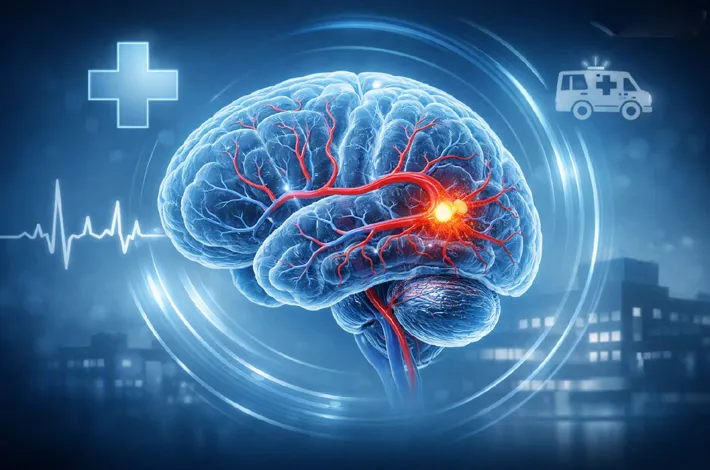
Doctors said nearly 1.9 million brain cells die every minute during an untreated stroke, while the first 4.5 hours remain the crucial "golden window" for treatment. They urged people to seek immediate medical attention for sudden weakness, speech difficulty, vision loss, severe headache, balance problems, seizures or sudden confusion, stressing that early diagnosis and timely treatment remain the key to preventing lifelong disability.
Dr. Mohammed Imran, Senior Consultant Neuro & Spine Surgeon, CARE Hospitals, Nampally