23 October, 2026 | 4:28 PM


Digi Yatra outage disrupts airport operations
21-08-2026 12:00:00 AM
metro india news I hyderabad
Travellers at several Indian airports faced delays and long queues on Thursday after a technical outage affecting Digi Yatra’s central servers temporarily disrupted the facial recognition-based system used for paperless domestic air travel.
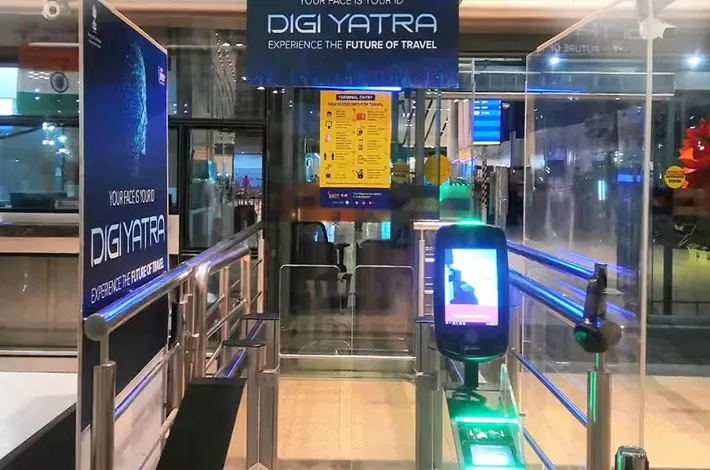
Reports emerged in the morning and continued into the afternoon, with passengers at Mumbai’s Chhatrapati Shivaji Maharaj International Airport Terminal 2 saying Digi Yatra gates failed to open or recognise registered faces. Similar complaints were reported from other airports, forcing authorities to redirect passengers to conventional counters for physical verification of boarding passes and identity documents.
The disruption echoed earlier glitches, including a prolonged central server outage at Kolkata’s Netaji Subhas Chandra Bose International Airport in February 2026, when hundreds of passengers were forced to wait in long queues after e-gates stopped functioning.
Launched in December 2022 at Delhi, Bengaluru and Varanasi airports, Digi Yatra is an industry-led initiative coordinated by the Ministry of Civil Aviation and managed by the Digi Yatra Foundation. It uses facial biometric authentication under a self-sovereign identity framework, with biometric data stored primarily on the passenger’s device.
Travellers enrol through the official app using Aadhaar-linked mobile verification and can link their boarding passes in advance. They can then use facial recognition at dedicated entry, security and boarding gates without repeatedly producing physical documents.
The platform has expanded rapidly and now operates at around 40 airports. It has facilitated more than 10 crore passenger journeys and attracted over 20 million users, with app downloads exceeding 25 million. The government plans to expand its airport network and add further regional language support.
Thursday’s outage appeared to affect the central infrastructure that validates passenger credentials against real-time flight information. When the system fails, automated gates cannot authenticate travellers, forcing airport staff to switch to manual verification. This can cause significant congestion, particularly at busy terminals during peak hours.
Passengers who depend on Digi Yatra for faster processing, including frequent flyers and those with tight connections, were consequently forced into regular queues. Some also reported error messages and facial recognition failures.
During previous outages, airport authorities and Digi Yatra teams advised passengers to keep physical boarding passes and government-issued photo IDs ready while technical teams worked to restore services. Partial restoration generally took place within hours, although some facial scanning problems persisted.
On Thursday, the official Digi Yatra handle sought travel details from affected passengers in Mumbai so their complaints could be forwarded to the relevant airport teams. No comprehensive statement on the exact cause or nationwide restoration timeline had been issued by early afternoon.
The outage highlighted both the convenience and vulnerability of increasingly digitised airport operations. Digi Yatra incorporates privacy safeguards, including storing facial biometric images on users’ devices rather than in a central database. Temporary verification tokens shared with airports are also deleted within 24 hours of departure.
However, the disruption demonstrated the importance of reliable backend infrastructure and effective contingency systems. Passengers are advised to keep the Digi Yatra app updated, ensure internet connectivity when uploading boarding passes and carry alternative identification.
As passenger volumes continue to rise, Digi Yatra remains an important component of India’s move towards contactless air travel. Thursday’s disruption, though temporary, underscored the need for robust digital infrastructure and dependable backup systems.