20 October, 2026 | 7:06 AM


Field study launched for GI registration of Kothakota Mutton
29-01-2026 12:00:00 AM
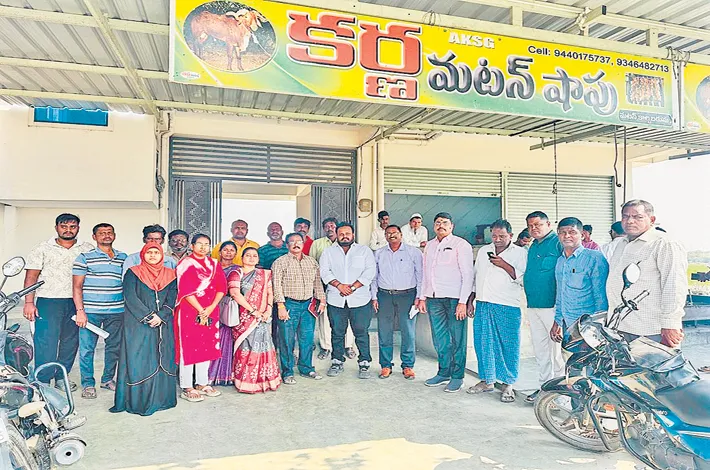
A detailed field study and documentation exercise was carried out recently at Kothakota, a historic town in Wanaparthy District, Telangana, to research and record the unique attributes of Kothakota Mutton, a traditional meat product renowned for its distinctive preparation methods and superior quality.
The study took place in the presence of S. Jyothi, General Manager (Industries), Wanaparthy; M. Nagesh, Industrial Officer; Dr. G. Sravya Deepika, VAS, Kothakota; S. Ravinder Reddy, Livestock Assistant; M. Srikanth, EDC Manager; Khaja, President, Maheboob Katika Sangam; and other key stakeholders.
Kothakota is widely recognised for its exceptional mutton quality and traditional culinary practices, which have earned the product a strong reputation locally and regionally. The very name Kothakota reflects the geographical origin of this delicacy, deeply rooted in the town’s cultural and culinary heritage. Popular preparations such as grilled mutton, mutton kebabs, and traditional mutton cheekulu (cuts) have been prepared and consumed for generations. These age-old practices support sustainable livelihoods for local butchers, meat vendors, and traders while preserving traditional skills passed down over time.
The field visit was conducted by M. Srivathsa, Legal Counsel, and Noel Robinson, Senior Manager, Resolute IP Services LLP. The team engaged extensively with government officials, local livestock breeders, traders, butchers, and other stakeholders to gather primary information on traditional knowledge, livestock sourcing, processing techniques, and the strong geographical linkage associated with Kothakota Mutton.
The study’s findings will be key in preparing the technical, historical, and geographical documentation required for Geographical Indication (GI) registration, ensuring the authenticity, integrity, and uniqueness of Kothakota Mutton are protected.
Speaking on the occasion, Subhajit Saha, CEO, Resolute IP Services LLP, said GI registration would safeguard traditional knowledge and the product’s reputation, prevent misuse of the name, enhance market recognition, and generate economic benefits for local farmers, butchers, and vendors. GI status will also preserve heritage value while creating opportunities for branding, value addition, and regional development.