22 September, 2026 | 10:28 PM


Gen-Z drives 43% of consumer spending
04-01-2026 12:00:00 AM
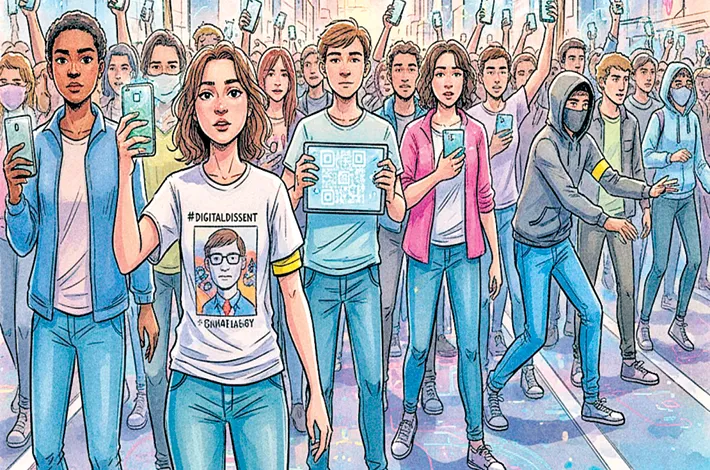
As India rings in 2026, a profound shift is underway in its consumer economy: Generation Z is no longer the future market — it is the dominant force today. Recent reports, including those from Deloitte-FICCI, Snap Inc., and Boston Consulting Group, underscore the scale of this change. India's Gen Z population drives approximately 43% of total consumer spending. Their direct spending reached around $250 billion in 2025, while their collective influence — including household decisions — commands a staggering $860 billion today.
Projections indicate this figure could explode to $2 trillion by 2035, with direct spending alone potentially hitting $1.8 trillion — meaning every second rupee spent in India could come from Gen Z. This is not a fleeting youth trend but a macroeconomic pivot. Gen Z consumers prioritize trends over traditional brand loyalty, discover products through creators and social media rather than conventional ads, and shop seamlessly across online and offline channels. They make decisions socially and visually, often consulting their inner circle on platforms like Instagram.
A top executive of a branding& marketing strategy firm noted that while legacy players often treat Gen Z as just another segment — using them superficially in communications — D2C brands integrate them at the core. These newer brands innovate rapidly, reviewing products weekly or daily, whereas legacy systems operate on quarterly cycles. He pointed to strategic acquisitions, such as HUL's purchase of premium skincare brand Minimalist, as a faster way for established companies to gain Gen Z expertise and agility.
Another advertising expert emphasized authenticity, ethics, transparency, and cultural relevance over mere legacy. She described Gen Z as "impulse researchers" who scrutinize recommendations, question everything, and demand value — including affordable aspiration. While willing to pay a premium for genuine ethics, they reject greenwashing and refuse to pay double for basic standards. She stressed that brands must speak Gen Z's language, foster community, and engage in real conversations rather than top-down messaging.
Representatives from industries manufacturing various household items ranging from furniture to cosmetics reinforced the pivotal role of influencer marketing. Gen Z trusts relatable micro-influencers and creators far more than celebrities, spending significant time on mobile screens and valuing lived experiences over scripted ads. They are 1.2 times more likely to switch brands, making consistent, value-aligned messaging essential.
The discussion revealed that while some legacy brands are innovating in product development, pricing, and purpose, others risk falling behind by relying on superficial changes like younger faces or louder campaigns. Marketing and advertising consultants warned that the biggest mistake is failing to evolve language and build genuine dialogue — treating Gen Z as mere consumers rather than partners in conversation.
As 2026 unfolds, the Gen Z test for India Inc. is clear: genuine reinvention in products, pricing, purpose, and platforms will be rewarded, while superficial adaptations may be swiftly punished in a market that moves fast and stays informed. The consumer story of the coming decade is crystallizing around this digitally native, value-driven generation — and brands that adapt authentically stand to capture the lion's share of India's next wave of growth.